


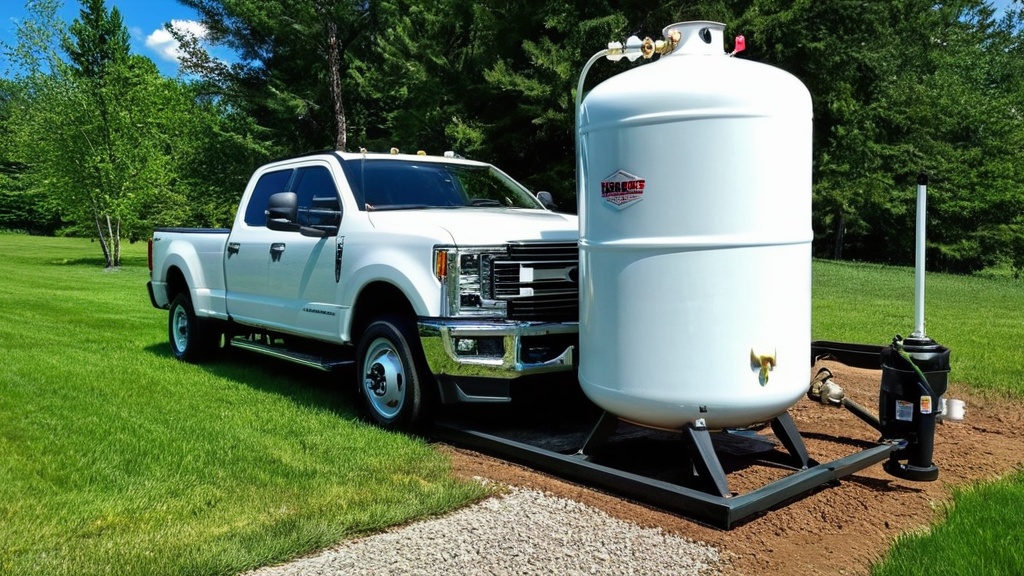
The question of whether it is cheaper to refill a propane tank or exchange it is a common one for consumers, particularly those who rely on propane for outdoor cooking, heating, or other domestic purposes. While both methods offer a way to replenish a depleted propane supply, they differ significantly in cost, efficiency, and the amount of propane received. Understanding these differences is key to making an informed decision that aligns with your budget and needs.
Propane tank services generally fall into two categories: refilling and exchange. These services are provided by various retailers, including hardware stores, gas stations, and dedicated propane suppliers. The fundamental difference lies in the process by which you acquire new propane and the pricing structure associated with each.
The Refill Process
When you opt for a refill service, you bring your empty or partially full propane tank to a designated location. The propane is then dispensed directly from a larger storage tank into your existing cylinder. This process allows for a precise measurement of the propane added, ensuring you receive the full amount you are paying for. Refilling stations are typically equipped with specialized hoses and meters to facilitate this process accurately and safely.
Advantages of the Refill Process
- Precise Measurement: The primary advantage of refilling is that you pay for the exact amount of propane that goes into your tank. This means you are not charged for unused capacity or for propane that is already in an exchanged tank.
- Full Tanks: Reputable refill services aim to fill your tank to its rated capacity. For a standard 20-pound barbecue tank, this typically means receiving approximately 20 pounds of propane. This contrasts with exchange services, which can sometimes result in less than a full tank.
- Retaining Existing Propane: If your tank is not completely empty when you bring it for a refill, the remaining propane is usually incorporated into the fill-up. You do not lose any existing fuel, unlike some exchange programs where any remaining propane is considered part of the exchange.
- Cost-Effectiveness: As will be detailed further, refilling generally results in a lower cost per gallon of propane. This makes it a more attractive option for individuals who use propane regularly or in large quantities.
The Exchange Process
Propane tank exchange programs operate on a different model. Instead of refilling your existing tank, you swap your empty or partially full tank for a pre-filled one. These pre-filled tanks are typically standardized and may not always be filled to their absolute maximum capacity. The service provider collects your empty tank and replaces it with another one that has been previously filled.
Drawbacks of the Exchange Process
- Higher Cost Per Gallon: While exchanges offer convenience, they are almost universally more expensive on a per-gallon basis compared to refilling. This premium is paid for the ease of a quick swap without the need for the tank to be weighed or filled on-site.
- Variable Fill Levels: Exchange tanks can sometimes contain less propane than a fully refilled tank. This is because the exchange tanks are filled in batches, and there can be variations in the fill level from one tank to another. You might receive a tank that is not truly full, even though you are paying a price that reflects a full tank.
- Loss of Remaining Propane: If you have a significant amount of propane remaining in your tank when you choose to exchange it, that propane is essentially lost. You do not receive credit for it, and you are paying full price for the replacement tank, regardless of its initial contents.
- Convenience vs. Savings: The primary appeal of exchange programs is their speed and simplicity. You can often find exchange stations at easy-to-access locations like grocery stores or convenience stores, making it a quick stop. However, this convenience comes at a financial cost.
When considering whether it is cheaper to get a propane tank refilled or exchanged, it’s essential to explore various factors that can influence the cost. A related article that delves into this topic can be found at Stonebrook Garden’s blog, where you can find insights on propane pricing, tank maintenance, and tips for making the most cost-effective choice for your propane needs.
Cost Comparison: Refilling Versus Exchanging
The financial aspect is often the most critical factor for consumers deciding between refilling and exchanging their propane tanks. While specific prices can fluctuate based on several variables, a general consensus emerges from available data.
Price Per Gallon Analysis
Numerous sources indicate that refilling a propane tank is generally cheaper than exchanging it. The cost per gallon at refill stations, such as U-Haul, is typically in the range of $3.00 to $4.00. In contrast, exchange programs often charge between $5.00 and $6.00 or more per gallon. This difference can translate to significant savings over time, especially for frequent users.
For example, a typical 20-pound propane tank holds approximately 4.7 gallons of propane when filled to its rated capacity.
- Refill Scenario: If propane costs $3.50 per gallon, refilling a 20-pound tank would cost approximately $3.50/gallon * 4.7 gallons = $16.45.
- Exchange Scenario: If an exchange program charges $5.50 per gallon, replacing a 20-pound tank could cost approximately $5.50/gallon * 4.7 gallons = $25.85.
In this illustrative scenario, the refill option saves approximately $9.40 per tank.
Specific Pricing Examples
To further illustrate the cost disparity, consider specific retail examples:
- Zamzows: This provider offers bulk propane refills at approximately $3.79 per gallon. For a standard ~20-pound tank, this would equate to around $17.81. An exchange option at the same retailer might be priced at $26.99 for a ~20-pound tank. This represents a potential savings of about $9.18 per tank when refilling.
- Ferrellgas: This company has noted that refilling can offer savings of up to $1.75 per gallon compared to exchanges. For a 20-pound tank, this would mean a potential saving of roughly $1.75/gallon * 4.7 gallons = $8.23 per tank.
These examples underscore the consistent trend of refilling being the more economical choice.
Factors Influencing Price
It is important to acknowledge that propane prices are not static and can vary considerably. The following factors play a significant role in determining the cost of both refilling and exchanging:
Location
Geographic location is a primary driver of propane prices. Areas with higher demand, lower supply, or different regulatory environments may experience higher prices. Urban areas might have more competition, potentially driving down prices, while rural areas might have fewer options and therefore higher costs.
Tank Size
The size of the propane tank will naturally affect the total cost of a refill or exchange. Larger tanks require more propane to fill, leading to a higher overall price. However, the cost per gallon should ideally remain consistent regardless of tank size for refill services. Exchange prices are often set for specific tank sizes (e.g., 20-pound tanks), and the price per gallon may be less transparent.
Seasonality
Propane demand often increases during certain seasons, particularly in colder months when it is used for heating. This increased demand can lead to higher prices for propane across the board. Conversely, prices might decrease during warmer months when demand is lower.
Provider
Different companies and retailers set their own pricing structures. As seen in the examples, Zamzows and Ferrellgas have different price points and offer different savings percentages. It is therefore crucial to research and compare prices from multiple providers in your local area.
Local Market Conditions
Beyond the general factors, specific local market conditions—such as the presence of large industrial users, the proximity of propane production facilities, or local taxes—can all contribute to price variations.
Added Value and Benefits of Refilling
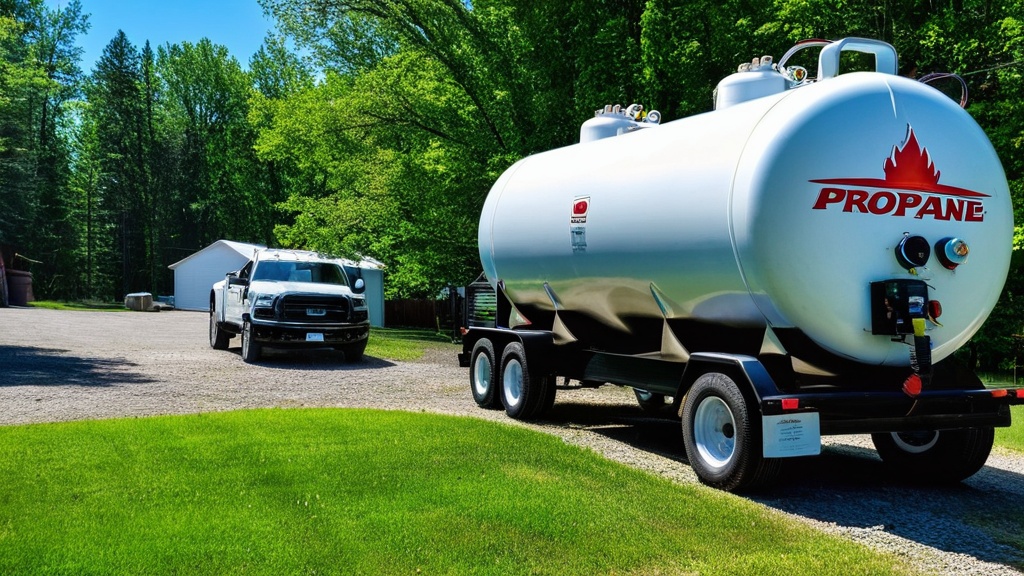
Beyond the direct cost savings, refilling propane tanks offers several additional advantages that contribute to its overall appeal for informed consumers. These benefits focus on efficiency, accuracy, and long-term value.
Receiving a Full Tank
A significant advantage of refilling is the assurance of receiving a full tank of propane. When a propane technician refills your tank, they will fill it to its marked capacity. For a standard 20-pound barbecue tank, this means you will receive approximately 20 pounds of propane. This is crucial because propane is sold by weight or volume, and a full tank ensures you get the amount you are paying for.
Understanding Tank Capacity
Propane tanks, especially portable ones used for grills and recreational purposes, have a rated capacity. For a “20-pound” tank, this refers to the weight of propane it can hold. However, tanks are not filled to 100% capacity to allow for expansion of the liquid propane with temperature changes. Typically, they are filled to about 80% of their water capacity, which corresponds to the 20-pound mark for a standard cylinder. A refill service aims to reach this optimal fill level.
Retaining Remaining Propane
If your propane tank is not completely empty when you take it to a refill station, the remaining propane is incorporated into the refill. The technician will add propane to reach the full capacity, meaning you do not lose any of the fuel you already possess. This is a considerable benefit, as it prevents wastage of usable propane and contributes to the overall cost-effectiveness.
In contrast, exchange programs often involve discarding any remaining propane in the tank you turn in. You are essentially trading your partially full tank for another one, regardless of how much fuel was in it.
Fewer Trips Needed
Because refill services deliver a full tank and you retain any remaining propane, you will generally need to visit a refill station less frequently compared to using an exchange service. This translates to less time spent traveling to and from the service location and fewer opportunities to encounter the inconvenience of a depleted tank when you need it most. This efficiency can be particularly valuable for those with busy schedules.
Drawbacks and Considerations of Exchange Programs
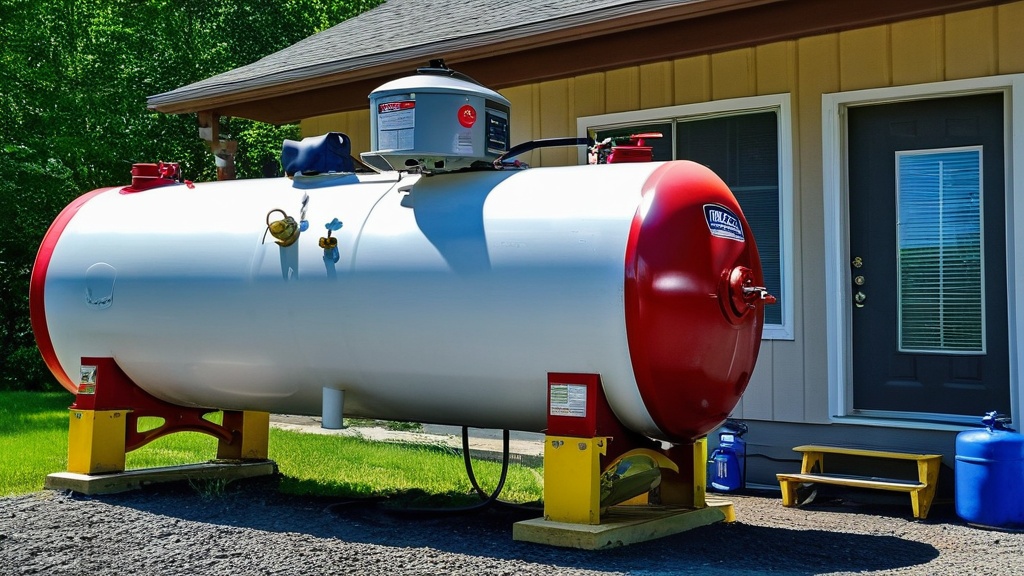
While exchange programs offer a quick solution for obtaining propane, they come with inherent drawbacks that often outweigh their convenience for budget-conscious consumers.
Higher Cost Per Gallon
As previously detailed, the most significant drawback of propane tank exchanges is their higher cost per gallon. The convenience of a rapid swap comes at a premium, making it a less economical choice for regular propane users. The pricing model for exchanges is structured to offset the operational costs of collecting, inspecting, refilling, and redistributing tanks.
Commonality of Partial Fills
Exchange tanks are not always filled to their maximum capacity. The process of refilling large quantities of tanks for an exchange program can lead to inconsistencies in the amount of propane dispensed. While regulations exist to ensure safe fill levels, the exact amount of propane in an exchange tank can vary. This means that while you pay a set price, you might receive less than a full tank’s worth of fuel, further increasing the effective cost per gallon if you receive a notably underfilled tank.
Convenience as the Primary Appeal
The main selling point of propane exchange programs is their convenience. They are widely available at locations such as supermarkets, convenience stores, and hardware stores, making them an easy stop for many consumers. The process is straightforward: simply bring your empty tank and swap it for a full one. This lack of complexity appeals to individuals who prioritize speed and ease over maximizing their propane budget.
When considering the costs associated with propane, many people wonder whether it is cheaper to get a propane tank refilled or exchanged. A related article that delves into the nuances of propane pricing and provides insights on making the most economical choice can be found here. For those looking to optimize their propane expenses, understanding the differences between refilling and exchanging tanks is essential. You can explore more about this topic by visiting this informative resource.
Variables Affecting Cost and How to Get the Best Price
The cost of propane, whether for refilling or exchanging, is not fixed and can fluctuate. Understanding these variables will empower you to seek out the most cost-effective option in your local area.
Location as a Key Factor
As mentioned, the geographical location of the service provider significantly impacts propane prices. Prices can vary from one town to another, and even within different neighborhoods of the same city. Factors such as local taxes, transportation costs for the propane supplier, and the competitive landscape all play a role.
Tank Size and its Impact on Total Cost
While the cost per gallon is the most important metric for comparison, the total cost will always be dictated by the size of the tank being serviced. A 20-pound tank refill will be cheaper than a 30-pound tank refill, but the cost per gallon should be the basis for evaluating which service is more economical.
Examples of Small Refill Pricing
Local providers may offer competitive pricing for smaller refills. For instance, some smaller refill stations might price a fill for a standard 20-pound tank in the range of $12.99 to $14.99. When compared to the $26.99 for a typical ~20 lb tank exchange, these prices clearly demonstrate the savings associated with refilling.
Seasonal Demand and Price Fluctuations
The demand for propane fluctuates throughout the year. During the colder months, when propane is used for heating homes, furnaces, and outdoor heaters, demand increases, which can lead to higher prices. Conversely, during the spring and summer months, demand typically decreases, potentially resulting in lower prices. Planning your refills outside of peak demand seasons, if possible, could lead to additional savings.
The Importance of Local Research
The most effective way to determine whether refilling or exchanging is cheaper for you is to conduct local research. This involves:
- Identifying Local Refill Stations: Look for U-Haul locations, local propane dealers, or even some hardware stores that offer propane refills.
- Identifying Local Exchange Providers: Note the brands of exchange tanks (e.g., Blue Rhino, AmeriGas) and the retailers that offer them in your area.
- Gathering Pricing Information: Call the refill stations and ask for their per-gallon price or the price for a refill of your specific tank size. Visit the retailers offering exchange services and note the price for a tank exchange.
- Calculating Per-Gallon Cost: For refill stations, you will likely get a per-gallon price directly. For exchange services, you will need to estimate the amount of propane in a standard tank (e.g., approximately 4.7 gallons for a 20-pound tank) and divide the exchange price by this amount to get an approximate per-gallon cost.
This direct comparison will provide the most accurate picture of the cost savings available in your specific area.
Consensus and Final Considerations
Across numerous sources and anecdotal evidence, the consensus is clear: refilling propane tanks is generally the more cost-effective option compared to exchanging them. This conclusion remains consistent, with no specific updates suggesting a shift in the market dynamics in the foreseeable future, such as major changes anticipated around 2026.
Refill as the Preferred Choice for Savings
For consumers who use propane regularly, whether for extensive grilling, heating a patio, or powering appliances, the financial advantages of refilling are substantial. The lower per-gallon cost, the assurance of a full tank, and the ability to retain existing propane all contribute to a more economical and efficient solution.
Exchange for Convenience Users
Exchange programs remain a viable option for individuals who prioritize immediate convenience and use propane infrequently. The ability to quickly swap a tank at various retail locations can be appealing to those who do not want to be inconvenienced by a depleted supply. However, this convenience comes at a direct financial cost.
Making the Informed Decision
Ultimately, the decision between refilling and exchanging hinges on individual priorities. If cost savings are paramount, refilling is the clear winner. If speed and accessibility are the primary concerns, and the slightly higher cost is acceptable, then exchanges serve their purpose.
By understanding the pricing structures, the processes involved, and the factors that influence cost, consumers can make a decision that best suits their needs and budget, ensuring their propane supply is both reliable and economical.
FAQs
Is it generally cheaper to refill a propane tank than to exchange it?
Yes, refilling a propane tank is often cheaper than exchanging it because you pay only for the propane you use, whereas exchanges may include additional fees or higher prices for the convenience of swapping tanks.
What factors affect the cost difference between refilling and exchanging propane tanks?
Costs can vary based on location, propane prices, tank size, and whether the service provider charges extra fees for refills or exchanges. Additionally, exchange tanks may be priced higher due to maintenance and inspection costs.
Are there safety considerations when choosing between refilling and exchanging a propane tank?
Both refilling and exchanging propane tanks are safe when done by certified professionals. However, exchanging tanks ensures the tank has been inspected and maintained, which can be a safety advantage.
Can I refill any propane tank, or are there restrictions?
Not all propane tanks can be refilled by consumers. Tanks must be DOT-certified and in good condition. Some refill stations may have restrictions on tank types or sizes they service.
Where can I get my propane tank refilled or exchanged?
Propane tanks can be refilled or exchanged at hardware stores, gas stations, propane suppliers, and some supermarkets. Availability and pricing vary by location and provider.