


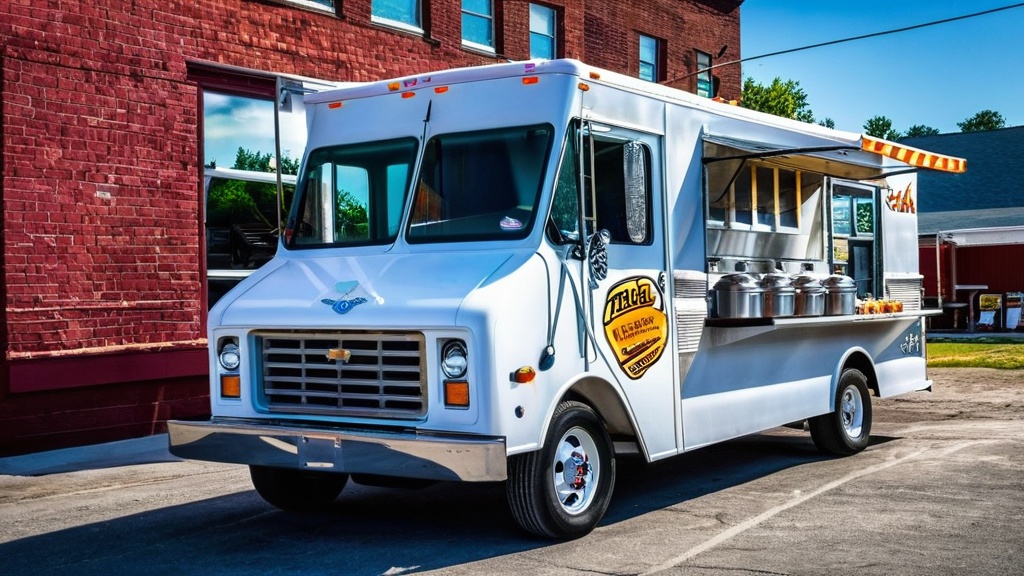
Operating a food truck often necessitates a reliable supply of propane for cooking, heating, and other onboard appliances. Refilling propane tanks is a routine but critical task that demands adherence to specific safety protocols and best practices. This guide outlines the procedures, safety considerations, and logistical aspects involved in maintaining your food truck's propane supply.
Food trucks rely on propane as a primary energy source, and the frequency of refills directly correlates with operational demands. The typical food truck setup often involves two 100-pound tanks, providing a substantial, though finite, fuel supply.
Propane Consumption Rates
The rate at which a food truck consumes propane varies based on factors such as the type and number of appliances used, the duration of operation, and ambient temperatures. For instance, a truck heavily reliant on griddles and deep fryers will deplete its tanks faster than one primarily using a single burner.
Typical Refill Frequency
Food truck operators generally find themselves refilling propane tanks every two to four days. This interval is not a rigid rule but rather a common range, serving as an indicator for proactive management of your propane supply. Monitoring your usage patterns will refine your personalized refill schedule. Neglecting to track your consumption can lead to unexpected interruptions, akin to a vessel running out of wind mid-voyage.
Tank Sizes and BTU Capacities
Propane tanks for food trucks are available in various sizes, each offering a distinct BTU capacity. Common sizes range from 20-pound tanks to 100-pound tanks. A 20-pound tank provides approximately 430,270 BTUs, while a 100-pound tank can offer up to 2,165,109 BTUs. The selection of tank size should align with the overall energy requirements of your food truck’s appliances.
If you’re looking for more information on maintaining your food truck, you might find the article on essential maintenance tips for food trucks helpful. It covers various aspects of keeping your mobile kitchen running smoothly, including safety checks and equipment care. You can read it here: Essential Maintenance Tips for Food Trucks.
The Refilling Process: Safety and Professionalism
The act of refilling a propane tank is not a DIY task. It requires specialized equipment and expertise to ensure safety and compliance. Always entrust this process to certified professionals.
The Role of Certified Professionals
Propane tanks must always be filled by a certified professional propane technician. Attempting to refill tanks at home is unsafe and illegal in many jurisdictions. These professionals are trained to handle propane safely and effectively, minimizing risks associated with handling pressurized flammable gas. They possess the knowledge to identify potential issues with tanks and to ensure proper filling procedures are followed.
Filling by Weight: The 80% Rule
Professionals fill propane tanks by weight, not volume. This precision method prevents overfilling, a critical safety measure. Propane, like most substances, expands with temperature increases. To accommodate this expansion and prevent dangerous pressure buildup, tanks are never filled to 100% capacity. This is known as the 80% fill rule. The remaining 20% headspace acts as a safety buffer, allowing the liquid propane to vaporize and expand without exceeding the tank's pressure limits. Ignoring this rule is akin to packing a suitcase until its seams burst; it may hold everything for a moment, but the stress will inevitably lead to failure.
Overfill Protection Devices (OPD)
A crucial safety feature required for propane tanks before refilling is an Overfill Protection Device (OPD). This mechanism automatically stops the filling process once the tank reaches 80% capacity, preventing dangerous overfilling. Tanks without an operational OPD will not, and should not, be refilled by reputable providers. It serves as an essential guardian against a potentially hazardous mistake.
Pre-Refill Tank Inspection and Certification
Before any propane tank can be refilled, it must undergo a thorough inspection to ensure its structural integrity and certification status. This is a non-negotiable step in the safety protocol.
Visual Inspection for Damage
Prior to refilling, both you and the certified technician should visually inspect the tank for any signs of damage. This includes:
- Rust: Extensive rust can compromise the tank’s material integrity, leading to leaks.
- Dents: Significant dents can weaken the tank’s structure and affect its ability to withstand pressure.
- Cracks: Any cracks, no matter how small, indicate a failure in the tank’s metal and constitute an immediate safety hazard.
- Missing Valve Caps: Valve caps protect the valve from damage and contamination. A missing cap indicates potential compromise to the valve mechanism.
If any of these issues are observed, the tank should not be refilled and may require professional repair or disposal.
Certification Date Compliance
Propane tanks have a certification date, typically stamped on the tank collar, which indicates their manufacturing date. Tanks are generally certified for 12 years from this date. After this period, they must be recertified or replaced before they can be refilled. This ensures the tank meets current safety standards and has not degraded beyond safe use. A tank beyond its certification date is a liability, not an asset.
Post-Refill Safety Procedures
Once a tank has been refilled and reconnected, further safety checks are necessary to ensure a leak-free system before operation. These checks are simple but vital.
Soap and Water Leak Test
Every time you connect a new or refilled propane tank to your food truck’s system, a soap and water leak test must be performed. This is a direct and reliable method for detecting propane leaks. To perform this test:
- Mix a solution of dish soap and water.
- Apply the solution to all connections, including the tank valve, regulator, and hose fittings.
- Open the propane tank valve slowly.
- Observe the applied solution. If bubbles form, it indicates a propane leak.
If a leak is detected, immediately close the tank valve and tighten the connections. Reapply the soap solution and recheck. If the leak persists, do not operate the system and seek professional assistance. Never use an open flame to test for leaks; this is extremely dangerous and can lead to explosions or fires.
Vertical Tank Installation
Propane tanks should always be installed vertically. This orientation ensures that the liquid propane remains at the bottom of the tank, allowing the vapor to rise to the top for proper withdrawal through the regulator. Installing a tank horizontally can lead to liquid propane entering the regulator, which can damage the regulator and pose a significant safety risk. The tank, like a well-structured building, needs its proper foundation and orientation to function as intended.
If you’re looking to learn more about maintaining your food truck’s equipment, you might find it helpful to read an article on how to properly refill a food truck propane tank. This process is essential for ensuring your cooking appliances run smoothly and safely. For additional insights on related topics, check out this informative page that covers various aspects of food truck operations and maintenance. You can find it here: food truck maintenance.
Best Practices for Food Truck Propane Management
Efficient management of your propane supply goes beyond mere refilling; it involves strategic planning and consistent habits.
Establishing a Refill Routine and Provider Relationship
Developing a consistent refill routine minimizes the risk of running out of propane during peak operating hours. Identify a preferred propane provider and cultivate a relationship with them. This can lead to benefits such as priority service, familiarity with your specific needs, and potentially scheduled refill options. A consistent provider understands your operational rhythm.
Scheduling Refills During Non-Peak Hours
To avoid disruptions to your food truck’s operation, schedule propane refills during non-peak hours. This minimizes downtime and allows you to capitalize on your busiest periods without interruption. For example, if your busiest times are lunch and dinner, aim for morning or late-night refills. This is a logistical consideration that can significantly impact your daily revenue.
Monitoring Fuel Levels and Proactive Refilling
Implement a system for monitoring your propane levels. This could involve keeping fuel logs, which track consumption rates and refill dates. The goal is to refill tanks before they dip below 20% capacity. Waiting until a tank is nearly empty increases the risk of a sudden shutdown. Keeping a buffer ensures continuity, preventing your operations from grinding to a halt mid-service.
Strategic Tank Placement for Efficiency and Safety
Consider the physical placement of your propane tanks on the food truck. Installing tanks vertically at the rear of the truck can offer several advantages:
- Easier Inspection: Rear placement often provides better accessibility for visual inspections, making it simpler to check for damage or leaks.
- Faster Refills: Accessibility at the rear can expedite the refill process for technicians, reducing the time your truck is out of commission.
- Enhanced Safety: In the event of an incident, tanks placed at the rear may be more easily isolated or accessed by emergency services.
FAQs
How do I know when my food truck propane tank needs refilling?
You can check the propane level using a gauge on the tank or by weighing the tank. If the flame on your appliances is weak or inconsistent, it may also indicate low propane levels.
Is it safe to refill a propane tank myself?
Refilling propane tanks requires proper equipment and safety precautions. It is generally recommended to have propane tanks refilled by certified professionals at authorized refill stations to ensure safety.
What equipment is needed to refill a food truck propane tank?
Refilling a propane tank typically requires a propane refill station with a transfer hose, safety gloves, and protective eyewear. The tank must be compatible with the refill equipment and meet safety standards.
Can I refill any size propane tank for my food truck?
Not all propane tanks can be refilled at every station. Make sure your tank is approved for refilling and check the maximum fill level. Some tanks are disposable and should be replaced rather than refilled.
What are the safety precautions to follow when refilling a propane tank?
Always refill propane tanks outdoors or in well-ventilated areas, keep away from open flames or sparks, ensure the tank valve is closed before connecting, and never overfill the tank. Follow all local regulations and guidelines for propane handling.