


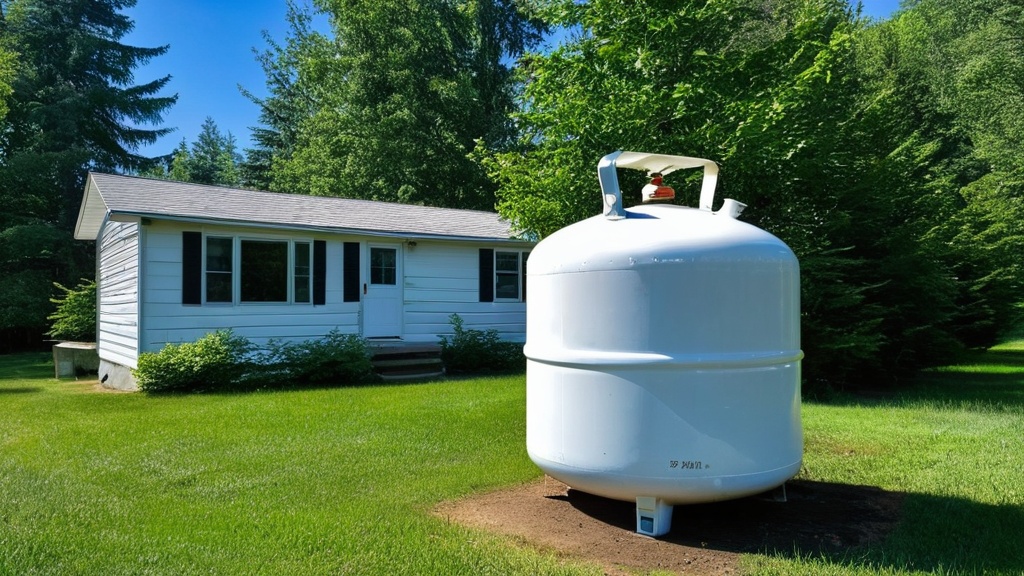
The cost of refilling a propane tank is a practical concern for many households and businesses that rely on propane for heating, cooking, and other applications. The price you can expect to pay is not a single, fixed number but rather a variable sum influenced by a confluence of factors. Understanding these elements can help you budget and potentially identify cost-saving opportunities.
Several key elements converge to determine how much you will pay to refill a propane tank. These are not abstract concepts but tangible influences that dictate the final price at the pump, so to speak.
Geographical Location
One of the most significant determinants of propane refill cost is your geographical location. Propane is a commodity, and like many commodities, its price is subject to regional supply and demand dynamics. States with substantial agricultural sectors or colder climates that require more propane for heating often see higher prices due to increased demand. Conversely, areas with more abundant local supply or lower demand may have more competitive pricing. Think of it like water in a desert versus water in a lush valley; the perceived and actual value, and therefore price, can differ significantly based on availability.
- Regional Price Variations: Prices can vary by as much as $1 per gallon or more from one state to another, or even between neighboring counties within the same state. This is a natural consequence of market forces.
- Local Competition: The number of propane suppliers operating in your immediate vicinity also plays a role. A more competitive market often leads to lower prices as businesses vie for customers. In areas with few suppliers, consumers may have less leverage.
- Transportation Costs: The cost of transporting propane from production facilities or distribution hubs to local refill stations is factored into the price. Areas further from major supply points will generally incur higher transportation costs, which are passed on to the consumer.
Time of Year (Seasonality)
Propane demand is intrinsically linked to seasonal needs, particularly for heating. This seasonality creates a predictable ebb and flow in pricing.
- Winter Demand: During the colder months, propane is in high demand for home heating. This surge in consumption typically drives prices upward. As the mercury drops, the desire for warmth rises, and so does the price of the fuel that provides it.
- Summer and Shoulder Seasons: In spring, summer, and fall, the demand for propane generally decreases. This is when it is used more for outdoor cooking, pool heating, or agricultural purposes that are less critical than keeping homes warm. Lower demand often translates to lower prices, making these periods potentially more economical for refilling.
- Anticipation of Demand: Propane suppliers often adjust their pricing in anticipation of upcoming demand. Prices might start to creep up in late autumn before winter fully sets in, reflecting the expected increase in consumption.
Market Conditions and Global Influences
Propane, while often thought of as a localized fuel, is influenced by broader market dynamics and even global events.
- Crude Oil Prices: Propane is a byproduct of natural gas extraction and crude oil refining. Consequently, fluctuations in the global prices of crude oil and natural gas can impact propane costs. If crude oil prices are high, the cost of producing propane can increase, leading to higher retail prices.
- Supply Chain Disruptions: Events such as extreme weather impacting production facilities, transportation issues (e.g., pipeline maintenance, rail disruptions), or geopolitical events can disrupt the propane supply chain. Such disruptions can lead to temporary price spikes.
- Economic Climate: General economic conditions can also play a role. During periods of economic expansion, demand for energy, including propane, may increase. Conversely, economic downturns can sometimes lead to reduced demand and lower prices.
Tank Size and Type
The size of the propane tank you need to refill is a direct determinant of the total cost, as propane is typically sold by the gallon. Different tank sizes are designed for different applications, and their refill costs will vary accordingly.
- Common Residential Tanks: The most common residential propane tank size for home heating is 500 gallons, though 1,000-gallon tanks are also used for larger homes or specific needs.
- Portable Grill Tanks: Smaller, portable tanks, typically 20 lb (which hold approximately 4.7 gallons when full), are frequently used for grills and recreational purposes. These have a much lower per-fill cost due to their smaller capacity.
- Commercial and Industrial Tanks: Larger tanks, such as those used in commercial kitchens or industrial settings, can range from 100 gallons up to thousands of gallons. Their refill costs will naturally be commensurately higher.
If you’re curious about the costs associated with refilling a propane tank, you might find it helpful to explore a related article that discusses various aspects of propane usage and pricing. For more insights, check out this informative piece on propane and its applications at Stonebrook Garden’s blog. This resource can provide you with valuable information that complements your understanding of propane tank refills.
Pricing Structures: Refill vs. Exchange
When it comes to obtaining a full propane tank, you generally have two primary options: refilling your existing tank or exchanging it for a pre-filled one. Each method has its own pricing structure and implications.
Refilling Your Existing Tank
Refilling your own tank generally involves taking your empty tank to a propane dealer or a designated refill station. The propane is then pumped directly into your tank, and you are charged based on the actual volume of propane dispensed.
- Cost Per Gallon: This is the most common way propane is priced. You pay for the precise amount of propane you receive. Current bulk propane prices, which are often similar to what you’ll pay for a refill at a station, range from approximately $3.49 to $3.79 per gallon. This price will fluctuate based on the factors previously discussed.
- Savings Potential: Refilling your own tank is frequently the more cost-effective option. By paying for exact usage, you avoid the bundled costs associated with exchange programs. For example, a 20 lb tank refill, which holds around 4.7 gallons, might cost between $15 and $20. If the per-gallon price is $3.50, this would equate to approximately $16.45 for a full refill. The savings are realized by avoiding the overhead and profit margins built into exchange services.
- Tank Inspection: Reputable refill stations will often perform a basic visual inspection of your tank for safety. This can provide an additional layer of assurance that your tank is in good condition.
Propane Tank Exchange Programs
Propane tank exchange programs are readily available at many retail locations, including hardware stores, supermarkets, and gas stations. You bring your empty tank and leave with a full one, paying a set price for the exchange.
- Fixed Exchange Price: The price for an exchange is usually a flat fee, irrespective of the actual amount of propane remaining in your original tank or the exact volume needed to fill it. This price often includes the cost of the propane, the tank itself (if it’s not your own), and the service of filling and swapping.
- Convenience Factor: The primary advantage of tank exchanges is convenience. You can often complete the swap quickly without waiting for a pump or needing to go to a specialized propane dealer. This speed and accessibility come at a premium.
- Higher Overall Cost: While convenient, exchange programs are typically more expensive than refilling your own tank. For instance, an exchange for a standard 20 lb tank can cost around $26.99, significantly higher than the $15-$20 you might pay for a refill at a dealer, even at a slightly higher per-gallon rate. The exchange price essentially bundles the cost of filling, tank depreciation, and handling.
- Tank Filling Standards: In exchange programs, tanks are generally filled to approximately 80% of their capacity. This is a crucial safety measure to allow for expansion of the propane vapor as temperatures rise, preventing over-pressurization. While this is standard safety practice, the fixed exchange price doesn’t reflect the fact that you might not be receiving a full 100% of the tank’s potential capacity if you were to professionally refill your own.
Cost Breakdown by Tank Size
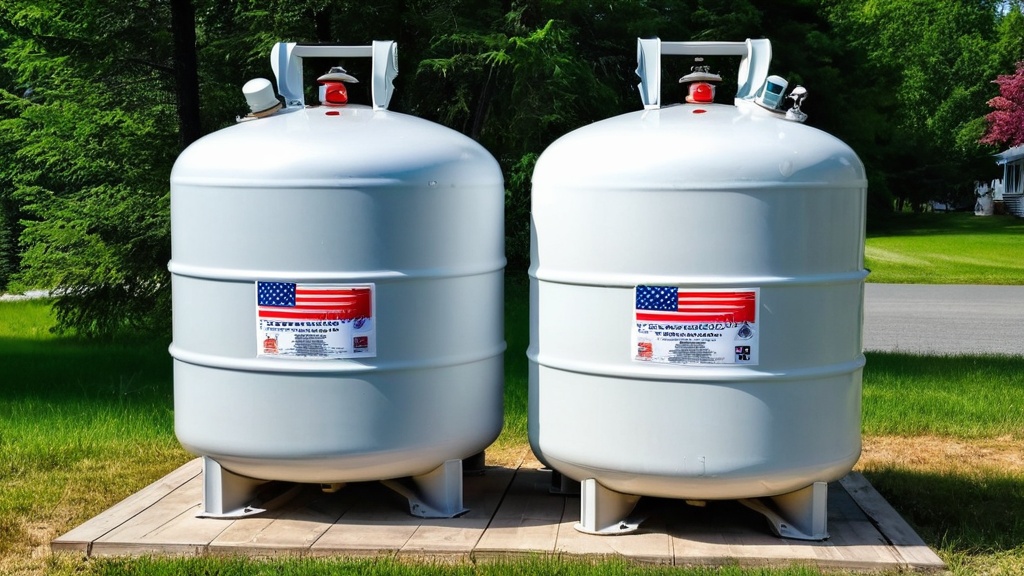
The price you pay for propane is directly proportional to the volume of gas you purchase. Therefore, the size of your tank is a primary driver of the total cost. Different applications necessitate different tank sizes, and consequently, different refill expenditures.
Small Portable Tanks (20 lb)
These are the ubiquitous tanks found attached to outdoor grills, small heaters, and for camping stoves. Their relatively small capacity makes them affordable to refill.
- Capacity: A standard 20 lb propane tank holds approximately 4.7 gallons of propane when filled to its safe capacity (around 80%).
- Typical Refill Price: As mentioned, refilling these tanks typically costs between $15 and $20. This price point makes them an accessible option for frequent use in recreational or culinary applications.
- Exchange vs. Refill: The cost difference between refilling a 20 lb tank and exchanging it can be substantial. An exchange might cost close to $27, while a refill could be nearly $10 cheaper, offering a clear economic incentive to choose the latter if practically feasible.
Medium Tanks (100 lb)
These larger tanks are often used for more substantial applications, such as heating in smaller cabins, workshops, or for commercial use like powering forklifts.
- Capacity: A 100 lb propane tank holds approximately 25 gallons of propane.
- Typical Refill Price: Refilling a 100 lb tank at a refill station generally costs around $70. This price is a direct reflection of the increased volume of propane purchased.
- Handling Fees: It’s important to note that some refill stations may charge additional handling fees for larger tanks, which can add to the overall cost. These fees compensate for the labor and equipment required to safely maneuver and refill these heavier tanks.
Large Residential and Commercial Tanks (500-1000 Gallons)
These are the tanks that usually serve entire homes for heating or significant commercial operations. They are typically delivered and filled on-site by a propane supplier.
- Capacity and Pricing:
- A 500-gallon tank fill can cost approximately $1,000.
- A 1,000-gallon tank fill can cost approximately $2,000.
- Bulk Purchasing: Filling these large tanks is a form of bulk purchasing. The per-gallon price for these larger fills is often lower than for smaller tanks due to economies of scale in delivery and handling. However, the total outlay is considerably higher.
- Service Contracts: For these larger tanks, homeowners and businesses often enter into service contracts with propane suppliers. These contracts can include regular delivery schedules, tank rental fees, and sometimes price protection mechanisms, influencing the total cost over time.
Understanding Propane Volume and Safety Limits
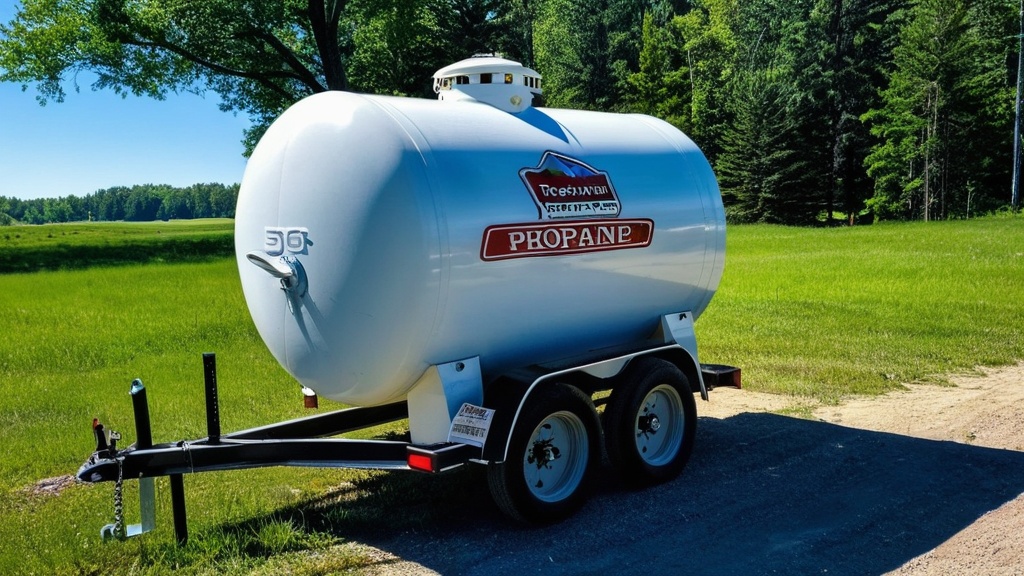
When you refill a propane tank, it’s crucial to understand that it’s not filled to 100% of its physical capacity. This is done for safety reasons, primarily to account for the expansion of propane as it heats up.
The 80% Fill Rule
Propane is stored as a liquid under pressure, but it vaporizes when released. Because gases expand significantly with temperature changes, tanks are not filled completely to prevent dangerous pressure build-up.
- Expansion Factor: Propane liquid expands by about 10% for every 10°F increase in temperature. If a tank were filled to the brim, even moderate temperature fluctuations could lead to over-pressurization and potential rupture.
- Safety Standard: The industry standard is to fill propane tanks to no more than 80% of their liquid capacity. This leaves a 20% vapor space at the top of the tank, which acts as a buffer for expansion.
- Impact on Refills: When you get a tank refilled, the attendant will accurately measure the amount of propane added, ensuring it does not exceed this 80% limit. This means that if you are refilling your own tank, and it has some propane remaining, the amount you add will be less than the tank’s full liquid capacity. The price you pay is for the actual volume dispensed, not for a theoretical “full” tank if it wasn’t completely empty.
Volatility and Temperature
The inherent volatility of propane and its expansion characteristics are why the 80% rule is so strictly enforced.
- Vapor Pressure: As temperature increases, the vapor pressure inside the tank also increases. The 20% vapor space is designed to accommodate this pressure increase without exceeding the tank’s design limits.
- Safety Features: Propane tanks are equipped with safety relief valves that will vent excess pressure if it becomes too high. However, relying on these valves is a last resort, and proper filling practices are the primary safety measure.
When considering the expenses associated with outdoor cooking or heating, many people often wonder how much it typically costs to refill a propane tank. Understanding these costs can help you budget effectively for your needs. For a deeper insight into related topics, you might find this article on propane usage and maintenance particularly useful, as it covers various aspects of propane tanks that can influence overall expenses.
Tips for Cost-Effective Propane Refills
Navigating the propane market doesn’t have to be a complex endeavor. A few practical strategies can help you manage costs and ensure you’re getting the best value for your money.
Compare Refill Prices Regularly
Just as you would shop around for gasoline or groceries, take the time to compare prices for propane refills.
- Local Dealers: Identify several local propane dealers in your area and inquire about their current per-gallon prices. Small differences in price per gallon can add up over time, especially for larger tanks.
- Online and Phone Inquiries: Many dealers will list their prices online or provide them over the phone. A quick call can save you money on your next refill.
- Look for Promotions: Some dealers may offer seasonal discounts or loyalty programs that can reduce your overall cost.
Prioritize Refilling Over Exchanging
As noted earlier, refilling your own tank is almost always more economical than opting for an exchange program.
- Calculate the Savings: For a standard 20 lb tank, the difference between a $27 exchange and a $16 refill can represent a saving of over 40% on that single transaction. This saving becomes even more significant if you regularly use multiple tanks or larger tanks.
- Long-Term Cost: Over the course of a year, consistently choosing refills over exchanges can lead to substantial savings, often enough to offset the cost of a new tank or other small home improvements.
Strategic Refill Timing
Consider the time of year and market conditions when planning your propane refills.
- Off-Season Refills: If your needs are not urgent, refilling your tank during the spring or summer months, when demand is lower, may allow you to take advantage of slightly lower prices. Buying propane when it’s not in high demand can be akin to buying seasonal goods at a discount.
- Monitor Market Trends: While it’s not always feasible for the average consumer to closely monitor global energy markets, being aware that prices can fluctuate due to broader economic or supply issues might inform your decision on when to fill up, especially for larger quantities.
Maintain Your Propane Appliances
Ensuring your propane-powered appliances are running efficiently can indirectly reduce your overall propane consumption and therefore your refill costs.
- Regular Maintenance: Schedule regular maintenance for your furnace, water heater, stove, or other propane appliances. Well-maintained appliances operate more efficiently, using less fuel to achieve the desired result.
- Efficiency Upgrades: If you have older, less efficient appliances, consider upgrading to newer, energy-efficient models. While this requires an upfront investment, the long-term savings in fuel costs can be significant. Think of it as investing in a fuel-sipping sports car versus a gas-guzzling truck.
By understanding the various components that contribute to propane refill costs and by employing these practical tips, you can approach your propane needs with a clearer financial perspective and potentially reduce your expenditure on this essential fuel.
FAQs
1. How much does it typically cost to refill a propane tank?
The cost to refill a propane tank usually ranges from $15 to $30 for a standard 20-pound tank, but prices can vary depending on location, supplier, and current propane market rates.
2. Does the size of the propane tank affect the refill cost?
Yes, larger propane tanks require more fuel and therefore cost more to refill. For example, a 100-pound tank will cost significantly more to refill than a 20-pound tank.
3. Are there any additional fees associated with refilling a propane tank?
Some suppliers may charge a small service fee or a minimum fill fee, especially if the tank is only partially empty. It’s best to check with the specific provider for any extra charges.
4. Can I refill my propane tank at any gas station or propane supplier?
Not all gas stations offer propane refills. It’s recommended to go to a certified propane supplier or a location that specifically advertises propane refilling services.
5. How often should I refill my propane tank?
The frequency of refilling depends on usage. For example, a 20-pound tank used for a grill might need refilling every few weeks during heavy use, while tanks used for heating may require refills less often. Always monitor the tank’s gauge to know when a refill is needed.