


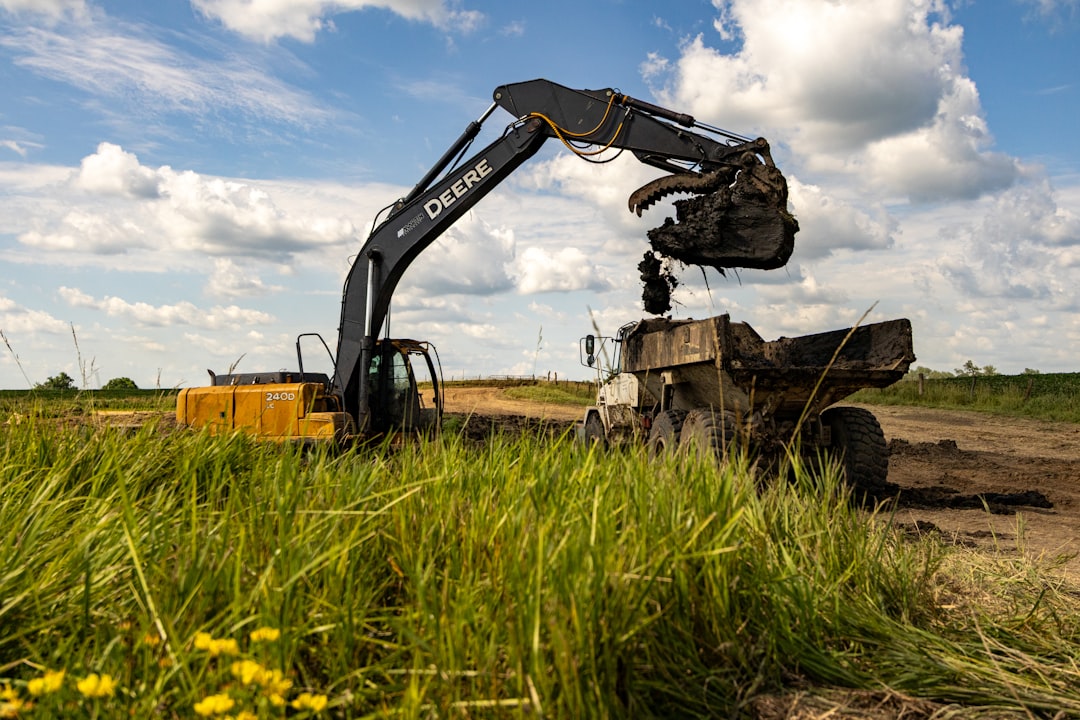
The successful enhancement of an outdoor space through landscaping supplies is a process rooted in thoughtful planning and the selection of appropriate materials. These supplies serve as the building blocks for creating functional, aesthetically pleasing, and sustainable environments. From structural elements to decorative accents, quality landscaping supplies provide the means to transform a plot of land into a desired outdoor living area. The choice of materials directly influences the longevity, maintenance requirements, and overall visual appeal of the landscape.
Structural elements form the backbone of any well-designed outdoor space. These are the components that define boundaries, manage terrain, and provide essential stability. Without a solid foundation, even the most beautiful plantings can be undermined. Investing in durable and appropriate structural supplies is akin to building a robust frame for a house – it ensures the long-term integrity of the entire structure.
Retaining Walls: Managing Slopes and Defining Spaces
Retaining walls are engineered structures designed to hold back soil, preventing erosion and allowing for the creation of level areas on sloped terrain. They are crucial for transforming challenging topography into usable garden beds, patios, or pathways.
Materials for Retaining Walls
- Concrete Blocks: These are a common and versatile choice, offering affordability and ease of installation. They can be interlocked or grouted for added strength. Various finishes and colors are available to complement the surrounding landscape.
- Natural Stone: Large stones, such as granite or fieldstone, provide a more rustic and organic aesthetic. Their irregular shapes can create a unique and timeless look. Installation often requires specialized knowledge and equipment for stability.
- Treated Timber: Wooden retaining walls are a cost-effective option for smaller projects. However, they have a shorter lifespan than stone or concrete and require regular maintenance to prevent rot and insect damage.
- Segmental Wall Systems: These pre-fabricated systems often incorporate interlocking mechanisms and drainage solutions, simplifying installation and ensuring structural integrity. They offer a consistent and polished appearance.
Design Considerations for Retaining Walls
The design of a retaining wall must consider the height of the slope, the type of soil, and the expected hydrostatic pressure. Proper drainage is paramount; without adequate weep holes or a drainage layer behind the wall, water pressure can build up and lead to structural failure. The aesthetic integration of the wall into the overall landscape design, including its color, texture, and form, is also an important factor.
Paving and Hardscaping: Creating Functional Surfaces
Paving and hardscaping materials are essential for creating pathways, patios, driveways, and other usable surfaces. These elements are the arteries and gathering spaces of an outdoor environment, enabling movement and providing areas for relaxation and entertainment. The durability and slip-resistance of these materials are critical for safety and longevity.
Types of Paving Materials
- Pavers: Interlocking concrete, brick, or stone pavers offer a wide range of patterns, colors, and textures. They are modular, allowing for complex designs and relatively easy repair if a section is damaged.
- Gravel and Crushed Stone: This is an economical and permeable option suitable for pathways, driveways, and informal garden areas. It requires regular raking to maintain its appearance and can be prone to scattering.
- Flagstone: Natural flagstone provides an irregular, organic surface that is both beautiful and durable. Its uneven nature requires careful installation to ensure a level and walkable surface.
- Concrete: Poured concrete offers a monolithic and durable surface. It can be stamped, stained, or textured to mimic other materials or create unique designs. Cracking is a potential issue if not installed with proper expansion joints and reinforcement.
- Decking: Wood or composite decking materials are used to create elevated platforms or ground-level outdoor rooms. They offer a warm and inviting feel but require regular maintenance, especially wood.
Installation Techniques for Hardscaping
The success of hardscaping relies heavily on proper base preparation. A stable, well-compacted base of gravel and sand is crucial to prevent settling and shifting. For pavers, a sand setting bed is typically used, followed by polymeric sand to lock the pavers together. For poured concrete, proper grading for drainage, reinforcement (rebar or mesh), and expansion joints are vital.
Edging and Borders: Defining Lines and Containing Materials
Edging and border materials serve to clearly define different zones within a landscape, prevent the encroachment of grass or plants into unwanted areas, and contain loose materials like mulch or gravel. They are the fine lines that bring order and clarity to a garden design.
Options for Landscape Edging
- Plastic Edging: This is a flexible, lightweight, and affordable option, suitable for creating curved borders. It is less durable and can become brittle over time.
- Metal Edging: Steel or aluminum edging offers a clean, modern look and is more durable than plastic. It can be easily bent to create curves.
- Stone or Brick Edging: These materials offer a more permanent and decorative solution. They can be laid flat or upright to create a raised border.
- Timber Edging: Treated wood logs or planks can be used to create rustic or formal borders. Like retaining walls, they require maintenance.
The Role of Edging in Maintenance
Properly installed edging significantly simplifies garden maintenance. It prevents lawnmowers from cutting into garden beds and makes weeding more manageable by creating a clear separation between different planting areas.
If you’re looking to enhance your outdoor space, you might find our article on essential landscaping supplies particularly useful. It covers everything from soil types to decorative stones, ensuring you have all the tools needed for a successful garden project. For more information, visit our contact page for inquiries or further assistance at Stonebrook Garden Contact.
Enhancing Aesthetics: Decorative Landscaping Supplies
Once the structural framework is established, decorative landscaping supplies come into play to add visual interest, color, texture, and personality to the outdoor space. These are the elements that transform a functional area into a captivating retreat.
Mulch and Groundcover: The Finishing Touch and Soil Health
Mulch and groundcover materials serve multiple purposes: they suppress weeds, retain soil moisture, regulate soil temperature, and provide an attractive finished appearance. They are the skin of the garden, protecting and beautifying the soil beneath.
Types of Mulch
- Organic Mulches: These include wood chips, bark, shredded leaves, straw, and compost. They decompose over time, enriching the soil with nutrients.
- Wood Chips and Bark: Common and readily available, offering various textures and colors.
- Shredded Leaves: An excellent free resource for amending soil.
- Straw: Useful for vegetable gardens and temporary cover.
- Compost: Provides significant soil improvement alongside its mulching benefits.
- Inorganic Mulches: These include gravel, crushed stone, rubber mulch, and landscape fabric. They do not decompose and offer long-term weed suppression and a consistent appearance.
- Gravel and Stone: Durable and attractive, but can be costly and may heat up the soil.
- Rubber Mulch: Made from recycled tires, it is long-lasting and suppresses weeds effectively, but can have an odor and may not be suitable for all environments.
- Landscape Fabric: Often used as a base for other mulches to enhance weed suppression, but can impede water penetration over time.
Benefits of Groundcover Plants
Instead of or in addition to loose mulch, groundcover plants can be used to blanket areas of the garden. They offer a living, dynamic alternative that suppresses weeds, reduces erosion, and adds biodiversity. Varieties include Vinca minor, Sedum species, and creeping Thyme.
If you’re considering enhancing your garden’s appearance, it’s essential to explore various landscaping supplies that can help you achieve the desired look. One valuable resource is an article that discusses the benefits of overseeding, which can significantly improve your lawn’s health and aesthetics. You can read more about this process and its advantages in the article on overseeding in New Jersey by following this link. This guide provides insights into the best practices for maintaining a lush and vibrant lawn, making it a great complement to your landscaping efforts.
Decorative Stones and Aggregates: Adding Texture and Color
Beyond mulch, larger decorative stones and various aggregates can be used to create visual focal points, define pathways, or accent planting beds. They bring natural beauty and textural contrast to the landscape.
Uses of Decorative Stones
- Boulders: Large, singular stones serve as striking focal points in gardens, mimicking natural rock formations.
- River Rock: Smooth, rounded stones in various sizes and colors are ideal for dry creek beds, pathways, or decorative accents in planting beds.
- Pea Gravel: Small, rounded stones that are comfortable underfoot and provide a loose texture for pathways and playground areas.
- Crushed Rock: Angular stones that interlock more effectively, making them suitable for driveways and high-traffic areas.
Creating Visual Interest with Aggregates
The strategic placement of decorative stones can break up large expanses of lawn or mulch, introduce contrasting textures, and guide the eye through the garden. Their natural colors and forms can complement a wide range of planting schemes.
Planters and Containers: Bringing Life to Paved Surfaces
Planters and containers offer a portable and versatile way to introduce plants into almost any outdoor setting, from balconies and patios to courtyards and entryways. They allow for control over soil conditions and can be rearranged to change the garden’s appearance seasonally.
Material Options for Planters
- Terracotta and Clay: Classic and porous, allowing for good soil aeration but can dry out quickly and are susceptible to frost damage.
- Plastic and Resin: Lightweight, durable, and available in a vast array of colors and styles. Can be prone to fading in direct sunlight.
- Wood: Offers a natural warmth and can be an attractive addition. Requires sealing or treatment to prevent rot.
- Metal: Offers a modern aesthetic and can be very durable. Can heat up significantly in direct sun, potentially harming plant roots.
- Concrete and GRC (Glass Fiber Reinforced Concrete): Extremely durable and heavy, providing stability. Can be molded into various shapes and finishes.
Creative Container Gardening
The thoughtful selection of container size, shape, and material can enhance the overall design. Grouping containers of different heights and textures can create a dynamic display. Proper drainage is essential for all containers to prevent root rot.
Essential Tools and Accessories: Facilitating Garden Creation
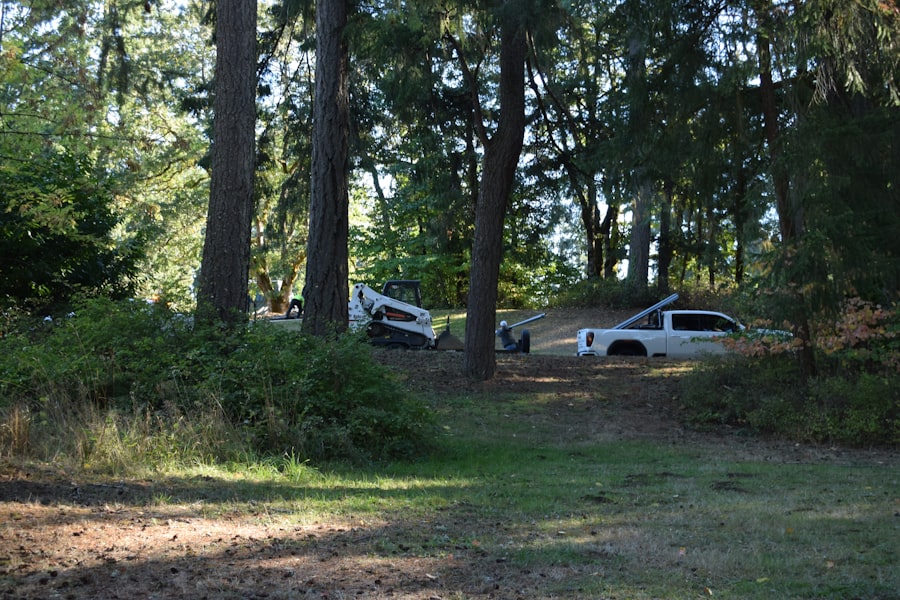
Beyond the materials themselves, a range of tools and accessories is indispensable for the planning, installation, and ongoing maintenance of any landscaped area. These are the instruments that empower the gardener to bring their vision to life.
Tools for Soil Preparation and Planting
Effective soil preparation is the bedrock of successful planting. The right tools make this often-laborious task manageable and efficient.
Key Soil Preparation Tools
- Shovels and Spades: Essential for digging, turning soil, and moving materials. Different types exist for specific tasks (e.g., pointed shovels for digging, flat spades for edging).
- Garden Forks: Useful for breaking up compacted soil, aerating, and mixing in amendments.
- Rakes: For leveling soil, clearing debris, and spreading mulch or gravel.
- Trowels: Small hand tools for planting seedlings, transplanting, and digging small holes.
- Wheelbarrows: For transporting soil, mulch, gravel, and other heavy materials.
Planting Aids
- Dibbers: Cone-shaped tools used to create precise planting holes for seeds or bulbs.
- Garden Lines and Stakes: For creating straight planting rows or marking out areas.
Irrigation and Drainage Solutions
Water is life for plants, and proper irrigation is crucial for their survival and health. Likewise, managing excess water through effective drainage systems prevents waterlogged soil, which can be detrimental to plant roots.
Irrigation System Components
- Hoses and Sprinklers: Basic and common for manual watering. Various sprinkler heads offer different spray patterns.
- Soaker Hoses: Deliver water directly to the soil at the root level, minimizing evaporation.
- Drip Irrigation Systems: Highly efficient for targeted watering, reducing water waste and promoting healthy root growth. Consist of tubing, emitters, and a timer.
- Rain Barrels: Collect rainwater for sustainable garden irrigation.
Drainage Components
- Drainage Pipe (Perforated): Buried conduits that collect and redirect excess water away from planting areas or foundations.
- Gravel and Sand Layers: Used in conjunction with drainage pipes to facilitate water flow and filtration.
- French Drains: A trench filled with gravel and containing a perforated pipe, designed to intercept and redirect groundwater.
Lighting and Decorative Accents
While not always considered essential, lighting and decorative accents significantly enhance the usability and ambiance of an outdoor space, extending its enjoyment into the evening hours.
Outdoor Lighting Options
- Pathway Lights: Illuminate walkways for safety and visual appeal.
- Spotlights: Used to highlight features like trees, sculptures, or architectural elements.
- String Lights (Fairy Lights): Create a festive and ambient atmosphere for patios and gathering areas.
- Solar Lights: An energy-efficient and easy-to-install option, relying on solar power.
Decorative Elements
- Garden Statues and Sculptures: Add points of interest and artistic expression.
- Bird Baths and Feeders: Attract wildlife and add a dynamic element to the garden.
- Wind Chimes and Spinners: Introduce movement and sound to the landscape.
Sustainable Landscaping Practices and Supplies
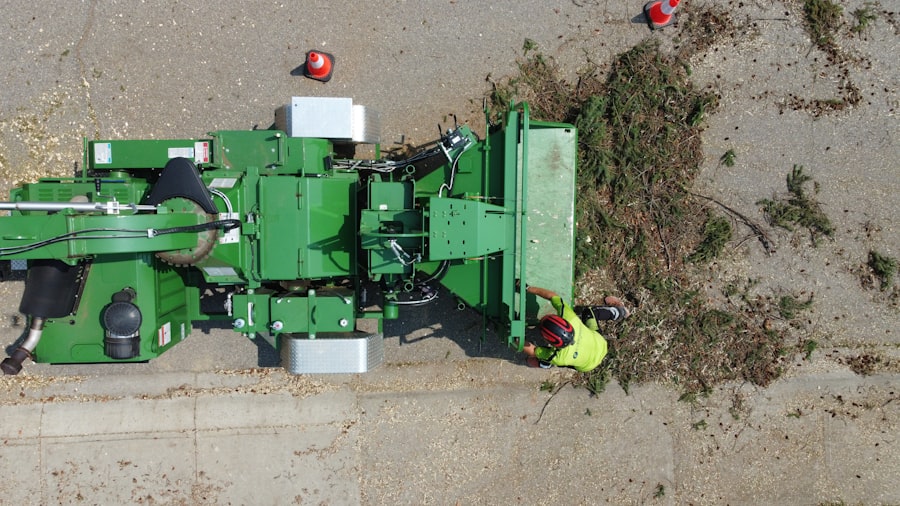
Increasingly, the focus in landscaping is on creating beautiful and functional spaces that are also environmentally responsible. This involves selecting supplies that minimize environmental impact and adopting practices that promote ecological health.
Permeable Paving and Drainage
The use of permeable paving materials allows rainwater to infiltrate the soil, reducing stormwater runoff, which can contribute to erosion and water pollution. This is a fundamental element of sustainable landscaping.
Benefits of Permeable Surfaces
- Reduced Stormwater Runoff: Alleviates strain on municipal drainage systems and helps recharge groundwater.
- Improved Water Quality: Filters pollutants from rainwater before it enters waterways.
- Reduced Erosion: Prevents soil displacement caused by excessive surface water flow.
- Mitigation of Urban Heat Island Effect: Permeable surfaces tend to be cooler than conventional impervious surfaces.
Permeable Material Examples
This includes permeable pavers, gravel, crushed stone, and specialized porous asphalt or concrete mixes.
Water-Wise Planting and Irrigation
Choosing drought-tolerant plants adapted to the local climate and implementing efficient irrigation systems are cornerstones of water conservation in landscaping.
Drought-Tolerant Plant Selection
Native plants are often the most suitable choice as they are naturally adapted to local rainfall patterns and soil conditions, requiring less supplemental watering and maintenance. Xeriscaping principles focus on designing landscapes that require minimal irrigation.
Efficient Irrigation Techniques
As mentioned previously, soaker hoses and drip irrigation systems are significantly more water-efficient than overhead sprinklers. Utilizing smart irrigation controllers that adjust watering schedules based on weather data further optimizes water usage.
Recycled and Reclaimed Materials
Incorporating recycled or reclaimed materials into landscaping projects diverts waste from landfills and can add unique character and history to a space.
Examples of Recycled Materials
- Recycled Rubber Mulch: For play areas or pathways.
- Reclaimed Bricks or Pavers: For patios and edging, offering a vintage aesthetic.
- Repurposed Timber: For borders or decorative features.
- Crushed Glass or Recycled Aggregate: For decorative groundcover or pathways.
By thoughtfully selecting and utilizing quality landscaping supplies, individuals can create outdoor spaces that are not only visually appealing and highly functional but also resilient and harmonious with the natural environment. The process is an iterative one, where materials serve as the vocabulary for expressing design intent within the context of the garden’s unique characteristics and the owner’s aspirations.