


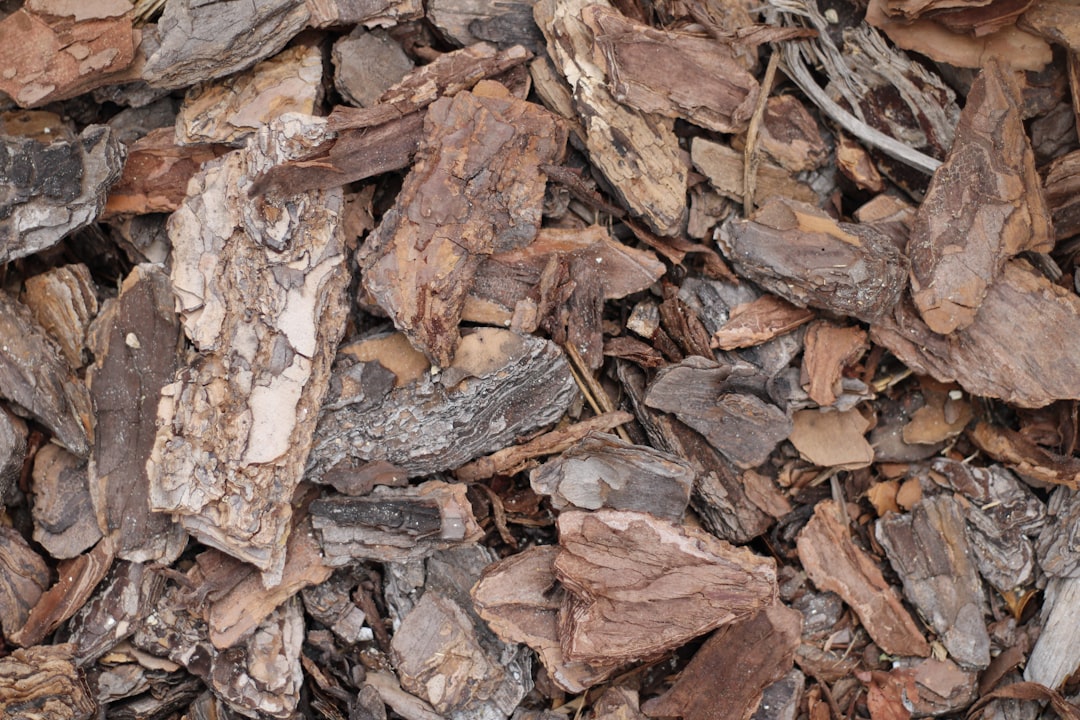
Mulch is a layer of material applied to the surface of soil. Its purpose is to conserve soil moisture, improve soil health, reduce weed growth, and enhance the visual appeal of a landscape. This article will explore the various types of mulch, their respective benefits and drawbacks, and proper application techniques.
Types of Organic Mulch
Organic mulches are derived from natural, biodegradable materials. They decompose over time, enriching the soil with nutrients and improving its structure.
Wood Chips and Bark
Wood chips and bark are common organic mulches, favored for their durability and aesthetic appeal. These mulches include shredded bark, wood chips, and bark nuggets, available in various sizes and colors.
- Shredded Bark: Often derived from cedar, cypress, or pine, shredded bark interlocks, making it less prone to displacement by wind or water. This interlocking quality also makes it an effective weed barrier. However, shredded bark can decompose relatively quickly, requiring more frequent replenishment than other wood-based mulches. It also has a tendency to form a dense mat over time, which can impede water penetration if not periodically loosened.
- Wood Chips: Typically larger and more irregularly shaped than shredded bark, wood chips are often a byproduct of tree removal or pruning operations. They offer good weed suppression and moisture retention. Hardwood chips, such as oak or maple, decompose more slowly than softwood chips, providing longer-lasting coverage. However, fresh wood chips can temporarily deplete nitrogen from the soil as they decompose, a process known as nitrogen draw-down. This can be mitigated by ensuring a layer of aged chips is used or by incorporating a nitrogen-rich fertilizer before application.
- Bark Nuggets: These are larger, irregularly shaped pieces of bark, often from pine or fir. They are highly decorative and decompose very slowly, offering long-term landscape enhancement. Their larger size means they are less likely to be displaced by wind. However, their irregular shapes can make them less comfortable to walk on in pathways compared to finer mulches. They also tend to float in heavy rainfall, potentially washing away from sloped areas.
Straw and Hay
Straw and hay are agricultural byproducts, offering an inexpensive and effective mulching solution, particularly for vegetable gardens and annual beds.
- Straw: Straw consists of the dry stalks of cereal grains after the removal of the grain and chaff. It is lightweight, easy to spread, and provides good insulation, protecting shallow-rooted plants from temperature fluctuations. Straw decomposes relatively quickly, adding organic matter to the soil. A primary concern with straw is the potential for weed seeds to be present, especially if sourced from a non-certified weed-free supplier. It can also be a fire hazard in very dry conditions.
- Hay: Hay, composed of dried grasses, legumes, and other herbaceous plants, shares many characteristics with straw, including its insulating properties and ability to improve soil structure. However, hay is significantly more likely to contain viable weed seeds due to its composition. Consequently, while it offers nutrient enrichment to the soil as it decomposes, its use often necessitates increased vigilance for weed emergence. Hay can also compact over time, potentially forming a dense layer that requires aeration.
Composts and Manures
Composts and aged manures are valuable organic mulches that not only suppress weeds and conserve moisture but also significantly enrich soil fertility.
- Compost: Finished compost, a dark, crumbly product of decomposed organic materials, is a highly beneficial mulch. It improves soil structure, enhances water retention, and provides a slow-release source of nutrients to plants. Its fine texture allows for easy application around delicate plants. The quality of compost can vary widely, depending on the source materials and composting process. Poorly composted material may contain pathogens, weed seeds, or undecomposed organic matter that can harm plants.
- Aged Manure: Manure from herbivores, such as cows, horses, or chickens, when properly aged or composted, is an excellent soil amendment and mulch. Aging or composting is crucial to break down potentially harmful bacteria, reduce nitrogen concentration that could burn plants, and kill weed seeds. Aged manure significantly boosts soil fertility, improving microbial activity and nutrient availability. Using fresh manure can be detrimental due to high nitrogen content and the presence of pathogens.
Leaves and Grass Clippings
Commonly available and often free, leaves and grass clippings are effective mulches that return organic matter to the soil.
- Leaves: Fall leaves, when shredded, form an ideal mulch. They insulate the soil, suppress weeds, and decompose into nutrient-rich organic matter. Shredding leaves prevents them from compacting into impenetrable mats and makes them less prone to being blown away. Whole leaves can mat down, blocking water and air penetration to the soil. They can also provide overwintering sites for pests if not thoroughly decomposed.
- Grass Clippings: Fresh grass clippings contain moisture and nutrients, making them a beneficial mulch. They break down quickly, releasing nitrogen into the soil. However, it is essential to apply them in thin layers (no more than 1-2 inches deep) to prevent matting and anaerobic decomposition, which can produce foul odors and harm plants. Clippings from lawns treated with herbicides should be avoided, as residues can damage desirable plants.
If you’re looking to enhance your garden’s aesthetic while also promoting healthy plant growth, consider exploring the benefits of landscape mulch. For more insights on how to create a beautiful outdoor space, check out this related article on holiday decor ideas that can complement your landscaping efforts: Holiday Decor Guide.
Types of Inorganic Mulch
Inorganic mulches are non-biodegradable and do not decompose, offering long-lasting coverage and visual consistency. They do not enrich the soil with nutrients.
If you’re looking to enhance your garden’s aesthetics while also improving soil health, you might find it beneficial to explore the advantages of landscape mulch. This material not only helps retain moisture but also suppresses weeds and adds organic matter to the soil as it breaks down. For a deeper understanding of how to effectively use mulch in your gardening practices, check out this insightful article on landscape mulch. It provides valuable tips and recommendations that can help you make the most of this essential gardening resource.
Gravel and Stones
Gravel and stones are durable, low-maintenance inorganic mulches, often used in arid landscapes, rock gardens, or areas requiring excellent drainage.
- River Rock: Smooth, rounded stones available in various sizes and colors, river rock provides an attractive, natural appearance. It excels in suppressing weeds and requires minimal replenishment. Its heavy weight keeps it in place, even in windy conditions. However, river rock can absorb and radiate a significant amount of heat, which may not be suitable for heat-sensitive plants. It can also be difficult to clean debris from.
- Crushed Stone: Irregularly shaped, angular stones, such as granite chips or lava rock, offer a more contemporary aesthetic. They provide excellent drainage and do not decompose. Like river rock, crushed stone retains heat, which can be a beneficial trait in cooler climates but a disadvantage in hot regions. Its angular nature can make it uncomfortable for foot traffic. Removing weeds that establish themselves between the stones can also be challenging.
Rubber Mulch
Rubber mulch is manufactured from recycled tires, offering an extremely durable and long-lasting mulching solution.
- Shredded Rubber: Available in various colors, shredded rubber mulch does not decompose, maintaining its appearance and effectiveness for many years. It is particularly effective at suppressing weeds and retains heat efficiently. However, rubber mulch offers no nutritional benefit to the soil. Concerns have been raised regarding the leaching of chemicals from rubber into the soil and water, particularly heavy metals. Its flammability can also be a concern in certain environments. It can also have a distinct odor, especially when first laid.
Landscape Fabric
Landscape fabric, while not a direct mulch material like the others, functions as an underlying barrier to prevent weed growth when used in conjunction with a decorative mulch layer.
- Woven and Non-Woven Fabric: Landscape fabric is typically made from polypropylene or polyester. Woven fabrics allow for better air and water penetration, while non-woven fabrics are often more durable. It creates a physical barrier that prevents weed seeds from germinating and reaching the surface, reducing the need for chemical herbicides. However, landscape fabric does not allow organic matter to decompose and enrich the soil naturally. Over time, soil and debris can accumulate on top of the fabric, providing a medium for new weed growth. It can also impede the movement of beneficial insects and soil organisms. If exposed to sunlight, it can degrade and become brittle.
Benefits of Mulching
Mulch provides a multitude of benefits that contribute to healthier plants and a more sustainable landscape. It acts as a protective layer, mediating environmental stresses on the soil and plants.
Moisture Retention
Mulch acts as a blanket over the soil, reducing evaporation caused by sun and wind. This conserves soil moisture, minimizing the need for frequent irrigation. By keeping the soil consistently damp, mulch helps to maintain a stable environment for plant roots, preventing the stress associated with fluctuating moisture levels. This is particularly crucial during dry spells or in arid climates, where water conservation is paramount. You are essentially providing your plants with a rain barrel just below the surface.
Weed Suppression
A correctly applied layer of mulch physically blocks sunlight from reaching weed seeds, preventing their germination. For established weeds, the mulch layer can smother them. This reduction in weed competition means that your desirable plants have greater access to water, nutrients, and sunlight, leading to more vigorous growth. Less weeding also frees up your time and reduces reliance on chemical herbicides. Consider mulch as a diligent sentinel, guarding your garden’s resources from undesirable intruders.
Temperature Regulation
Mulch insulates the soil, buffering against extreme temperature fluctuations. In summer, it keeps the soil cooler, protecting delicate roots from overheating. In winter, it helps retain residual ground heat, shielding roots from freezing and thawing cycles that can heave plants out of the ground. This thermal stability reduces stress on plants, promoting healthier growth and improving their resilience to environmental changes. It is akin to providing your garden with a personalized climate control system.
Soil Health Improvement
As organic mulches decompose, they gradually release nutrients into the soil, acting as a slow-release fertilizer. This decomposition process also improves soil structure by increasing organic matter content. Enhanced soil structure leads to better aeration, allowing plant roots to breathe and thrive. It also improves drainage in heavy clay soils and increases water retention in sandy soils. Furthermore, organic mulch fosters a healthy micro-organism population, which breaks down organic material and makes nutrients available to plants, contributing to a vibrant underground ecosystem. Your mulch is, in essence, feeding the very foundation of your garden’s health.
Erosion Control
Mulch provides a protective barrier against the erosive forces of wind and water. On sloped areas, it intercepts rainfall, slowing its descent and allowing it to soak into the soil rather than washing away topsoil. In windy environments, it prevents soil particles from being blown away. This is particularly important for newly planted areas or exposed soil, where the risk of erosion is highest. Mulch acts as an anchor, holding your precious topsoil firmly in place.
Aesthetic Enhancement
Beyond its functional benefits, mulch significantly improves the visual appeal of a landscape. It provides a clean, uniform background that highlights plants and garden features. Mulch creates a defined edge around planting beds, giving the garden a tidy and finished look. The various colors and textures of different mulches can be used to complement existing architecture or planting schemes, adding depth and contrast to the garden design. It is the finishing touch, the frame around your living artwork.
Proper Mulch Application
Effective mulching depends on correct technique. Improper application can negate benefits and potentially harm plants.
Preparation of the Area
Before applying mulch, prepare the area thoroughly. Remove any existing weeds by hand or using a non-selective herbicide, ensuring the soil is clean. Loosen the top few inches of compacted soil to improve air and water penetration. If possible, incorporate any necessary soil amendments, such as compost or slow-release fertilizer, before mulching, as these will be less accessible once the mulch is applied.
Application Depth
The optimal depth of mulch varies depending on the type of mulch and the plant material. For most organic mulches, a layer of 2-4 inches is generally recommended. A thicker layer (up to 6 inches) may be suitable for areas with heavy weed pressure or in colder climates for additional insulation. However, applying too much mulch, especially finer mulches, can lead to problems such as reduced air circulation, excessive moisture retention, and potential for anaerobic conditions. Thinner layers (1-2 inches) are appropriate for fine, fast-decomposing materials like grass clippings or around very small, delicate plants. For inorganic mulches like gravel, deeper layers may be used for aesthetic purposes, typically 3-6 inches.
Mulch Rings and Clearance
Crucially, keep mulch several inches away from the base of tree trunks and shrub stems. This creates a “mulch ring” or “doughnut shape.” Piling mulch directly against trunks or stems, often referred to as “volcano mulching,” can create several problems:
- Moisture Rot: Constant moisture around the bark can lead to fungal diseases and decay, weakening the trunk or stem.
- Pest Infestation: Mulch piled against trees provides shelter for rodents and insects, which can chew on bark and girdle the tree.
- Root Girdling: When roots grow into the mulch layer rather than the soil, they can encircle the trunk or other roots, restricting nutrient and water flow.
Maintaining clearance allows for good air circulation and direct observation of the tree’s base for any signs of disease or pest activity.
Replenishment Frequency
The frequency of mulch replenishment depends on the type of mulch used and local environmental conditions. Organic mulches decompose over time and will need to be replenished periodically, typically annually or every other year. Faster-decomposing materials like grass clippings or straw may require more frequent additions, while wood chips and bark nuggets can last for several years. Inorganic mulches, such as gravel or rubber, do not decompose and rarely require replenishment, though they may need occasional tidying or topping up to maintain depth and appearance. Observe your mulch; when it appears thin, or weeds begin to emerge more frequently, it is time to reapply.
Addressing Mulch-Related Issues
While mulching offers significant benefits, improper application or material selection can lead to issues.
Nitrogen Draw-down: Fresh, uncomposted wood products (like raw wood chips) have a high carbon-to-nitrogen ratio. As micro-organisms decompose these materials, they consume nitrogen from the surrounding soil. This temporary depletion of soil nitrogen can lead to nutrient deficiencies in plants, characterized by yellowing leaves. To mitigate this, use aged wood chips, which have already undergone initial decomposition, or incorporate a nitrogen-rich fertilizer into the soil before applying fresh wood mulch.
Slime Mold and Fungi: Organic mulches, especially in humid conditions, can support the growth of various fungi and slime molds. These organisms are generally harmless to plants, though their appearance (e.g., “dog vomit” slime mold, puffballs) can be aesthetically unpleasing. They are an indication of healthy decomposition. If desired, they can be raked into the mulch or removed.
Compaction: Over time, fine mulches, like shredded bark or grass clippings applied too thickly, can compact, forming an impenetrable layer. This compaction reduces air and water penetration to the soil, potentially suffocating plant roots. Periodically raking and loosening the mulch layer can prevent compaction. If severe, the compacted layer may need to be partially removed and replaced.
Pests and Diseases: While mulch can suppress some pests by promoting beneficial insects, certain mulches, particularly when poorly maintained or applied too thickly, can harbor undesirable pests. Slugs and snails thrive in moist, cool conditions beneath mulch. Additionally, piling mulch against tree trunks can create an ideal environment for rodents to gnaw on bark. Ensure proper mulch depth and clearance from plant stems and inspect regularly for signs of pest activity. Some mulches, if not properly aged, can introduce diseases. Using quality, aged materials reduces this risk.
By understanding the benefits, selecting the appropriate type, and adhering to proper application techniques, you can effectively utilize mulch to optimize your landscape.