


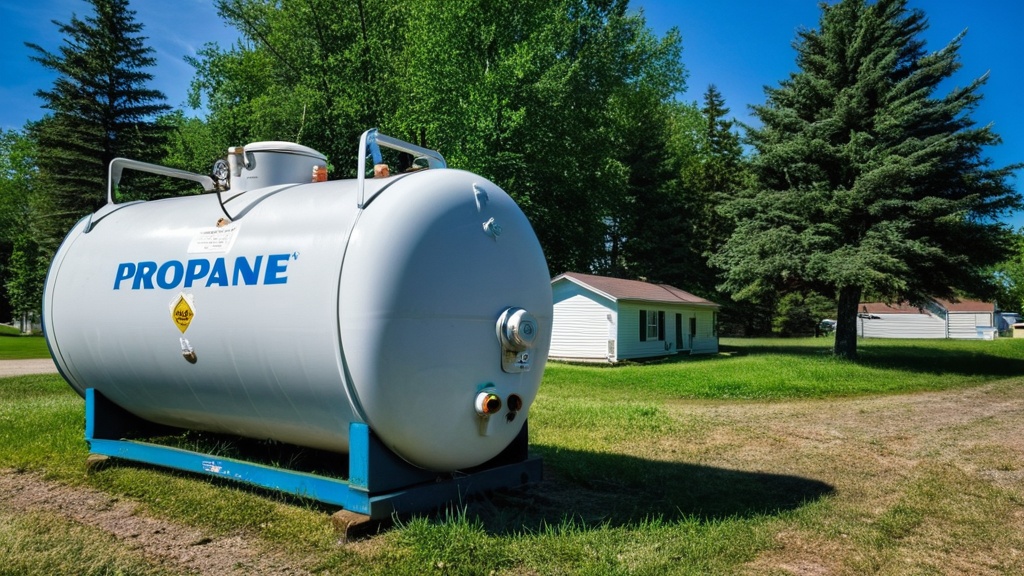
Yes, you can refill your large propane tank, but it is crucial to understand the regulations, safety procedures, and limitations associated with the process. Refilling these tanks is a common practice for various applications, from powering barbecues and patio heaters to supplying larger appliances in homes or businesses. However, unlike smaller, disposable cylinders, many large propane tanks are designed for multiple uses and require professional handling for safe and legal refilling. This article will guide you through the essential aspects of refilling your large propane tank, covering everything from understanding tank types to the actual refilling process and important safety considerations.
Before you can consider refilling your large propane tank, it is important to distinguish between different types of tanks and understand their intended use. Not all propane tanks are designed to be refilled. The primary distinction lies between refillable tanks and single-use cylinders.
Refillable Propane Tanks
Large propane tanks, often referred to as exchangeable tanks or tanks of 100-pound capacity or less, are typically designed for multiple refilling cycles. These tanks are constructed with durable materials and feature standardized fittings that allow them to be safely refilled at designated service stations. The term “large propane tank” typically refers to these cylinders, as opposed to the smaller, disposable canisters often used for camping stoves or portable grills that are not intended for refilling.
DOT Cylinder Requirements
These refillable propane tanks are subject to strict regulations, primarily governed by the Department of Transportation (DOT) in the United States. The DOT mandates that these cylinders undergo periodic recertification to ensure their structural integrity and safety.
Recertification Schedules
Large portable propane tanks, generally those with a 100-pound capacity or less, have specific recertification timelines. Initially, these tanks require recertification 12 years from their manufacture date. Following this initial period, they must be recertified every 5 years thereafter. This schedule is typically based on visual inspection methods conducted by qualified professionals. It is a legal requirement to ensure your propane tank is within its certification date before it can be refilled. Attempting to refill a tank that has exceeded its certification date is illegal and poses a significant safety risk.
The Importance of Dates
You will find a date stamped on your propane tank, usually near the valve. This date indicates when the tank was manufactured. This is the starting point for calculating the recertification deadlines. Always check this date before considering refilling your tank. If you are unsure about how to locate or interpret this information, consult with the propane supplier or a qualified technician. The tank’s service life, while extended by proper maintenance and recertification, is not indefinite.
Single-Use Propane Cylinders
It is crucial to understand that not all propane containers are designed for refilling. Single-use propane cylinders, often found for portable grills and camping equipment, are manufactured with less robust materials and often lack the safety features found on refillable tanks.
Warnings Against Refilling
Federal authorities strongly advise against refilling these single-use propane cylinders. The primary reasons for this warning stem from their construction and design. These cylinders may experience structural deterioration over time, even if they appear outwardly sound. Furthermore, they often lack essential safety devices, such as overfill protection valves, which are standard on refillable tanks. There is also a risk of contamination within the cylinder, which can lead to performance issues or safety hazards.
Potential for Accidents
Refilling single-use cylinders significantly increases the risk of leaks, fires, or even explosions. Manufacturers of these disposable cylinders explicitly recommend purchasing new cylinders designed for refilling purposes instead of attempting to refill them. Their design is simply not engineered for repeated use and pressurization cycles.
If you’re considering refilling your large propane tank, you might find it helpful to read a related article that discusses the various options and best practices for propane tank maintenance. Understanding the ins and outs of propane usage can ensure safety and efficiency in your home or business. For more information, check out this informative resource: here.
The Refilling Process: Where and How
Refilling your large propane tank is not a do-it-yourself endeavor for safety and legal reasons. This process is best handled by trained professionals at designated refilling facilities.
Professional Refilling Centers
Propane tanks must be either replaced or inspected and requalified by a trained technician to ensure they meet safety standards. In Canada, for instance, this requalification is typically required every 10 years for propane cylinders. This emphasizes the necessity of professional oversight.
Understanding the 80% Fill Limit
A critical safety aspect of propane tank refilling is the 80% fill limit. Propane is a liquefied gas and its volume expands or contracts significantly with changes in temperature. To prevent dangerous pressure buildup, especially in warmer conditions, tanks are legally permitted to be filled to only 80% of their total capacity.
Why the 80% Rule?
This intentional underfilling creates an ullage space, which is an empty volume within the tank that accommodates the expansion of the liquid propane as the ambient temperature increases. If a tank were filled to 100%, the expanding propane would have nowhere to go, leading to excessive pressure and potential rupture of the tank.
The Role of the Technician
During a refill, the technician will connect your tank to the dispensing system. They will typically weigh the tank before and after refilling to ensure the correct amount of propane is added, adhering to the 80% fill limit. Many facilities also have dispensing equipment that automatically stops when the 80% capacity is reached.
Self-Refilling: A Dangerous Misconception
It is important to explicitly state that attempting to self-refill propane cylinders is a significant safety hazard and is against the law in most jurisdictions. The equipment required for safe refilling is specialized, and improper handling can lead to leaks, fires, or explosions.
Legal Ramifications
Beyond the inherent dangers, self-refilling can also lead to legal penalties. Propane suppliers are licensed and regulated to ensure safe practices. Unauthorized dispensing of propane can result in fines and other legal consequences.
Regulations and Safety Considerations
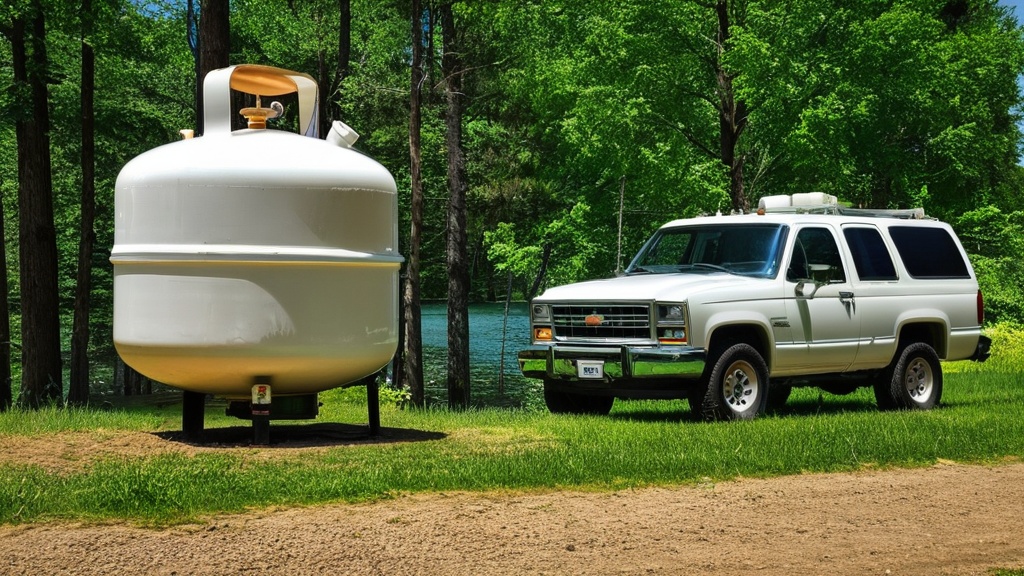
Beyond the immediate refilling process, several regulatory frameworks and safety guidelines govern the use and storage of propane tanks. Adhering to these is paramount for preventing accidents.
DOT Cylinder Recertification and Legality
As mentioned earlier, your DOT-certified propane tank has a shelf life regarding its certification. It is illegal to refill a DOT cylinder that has passed its certification date. This is not merely a bureaucratic rule; it is a critical safety measure. Beyond the certification date, tanks may have internal corrosion or damage that is not visible externally, compromising their ability to withstand pressure.
Consequences of Non-Compliance
Using an uncertified propane tank can lead to severe consequences. In the event of an accident, an insurance claim could be denied, and you could be held liable for damages. Furthermore, any propane supplier who knowingly refills an out-of-certification-date tank could face legal repercussions.
Identifying Your Tank’s Status
Regularly inspect your propane tank for its certification date. If you are purchasing a used tank, ensure it has a current certification. If your tank is approaching its recertification period, it is your responsibility to have it professionally inspected and recertified, or replace it with a currently certified tank.
Tank Placement Regulations
The placement of propane tanks is not arbitrary; it is governed by specific regulations designed to minimize risks. These regulations are primarily established by organizations like the National Fire Protection Association (NFPA) and enforced through local building codes.
Aboveground Storage
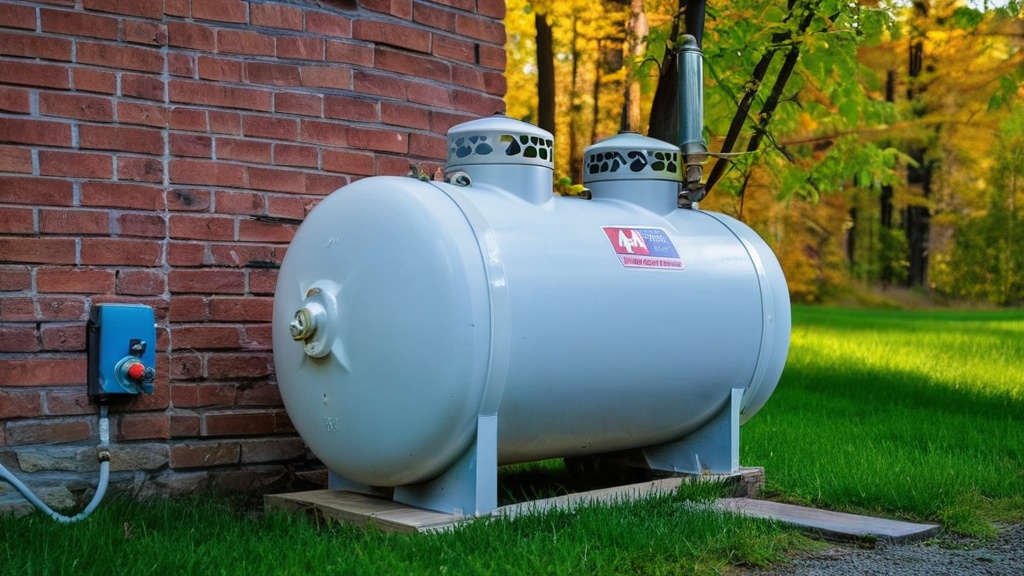
For aboveground propane tanks, such as those commonly used for residential heating or commercial operations, there are requirements regarding distance from buildings, ignition sources, and property lines. These distances are calculated based on the tank’s capacity and are intended to prevent fires from spreading or igniting nearby structures.
Underground Storage
Underground propane tanks, while less common for residential use and more often seen in larger commercial or industrial settings, have their own set of stringent placement and installation regulations. These include requirements for depth, venting, and protection from physical damage to prevent leaks and ensure safe access for maintenance.
Always Consult Local Codes
It is essential to consult with your local fire department or building inspector to understand the specific tank placement regulations in your area, as these can vary. Proper placement is a key element in the overall safety of your propane system.
The Future of Propane Cylinders in California
Recent legislative changes in California are signaling a shift in how propane cylinders are managed, with a focus on encouraging refillable options and phasing out single-use containers.
Senate Bill 1280: A Glimpse into the Future
In 2024, California enacted Senate Bill 1280, a significant piece of legislation that will ban the sale of non-refillable propane cylinders. This ban is scheduled to go into effect on January 1, 2028. The intent behind this legislation is to reduce waste, promote sustainability, and enhance safety by encouraging consumers to transition to refillable propane solutions.
Industry Responses
Businesses are already beginning to adapt to this impending change. Companies like REI, for example, have launched refillable exchange programs in response to this legislation. These programs offer consumers a convenient way to swap out their empty propane cylinders for refilled ones, encouraging a more circular approach to propane usage.
Consumer Benefits and Responsibilities
This transition will ultimately benefit consumers by potentially reducing long-term costs associated with propane usage, as refilling is typically more economical than repeatedly purchasing disposable cylinders. However, it also means consumers will need to become more familiar with the process of exchanging or refilling their tanks.
If you’re considering refilling your large propane tank, you might find it helpful to read about the various options available for propane services. For more information on related topics, you can check out this article on propane tank services. Understanding the refilling process and the safety measures involved can ensure that you make informed decisions regarding your propane needs.
Conclusion: Safety First, Legal Always
Refilling your large propane tank is a practical and cost-effective way to ensure you have a reliable energy source. However, it is paramount to approach this process with a strong emphasis on safety and adherence to all legal regulations. Understanding the difference between refillable and single-use tanks, ensuring your tank is current with its DOT certification, and relying on professional refilling services are non-negotiable steps. The upcoming changes in legislation, such as those in California, are a testament to the evolving landscape of propane management, prioritizing sustainability and safety. By following these guidelines, you can confidently and safely manage your propane needs.
FAQs
Can I refill my large propane tank myself?
Refilling a large propane tank yourself is generally not recommended due to safety concerns and the need for specialized equipment. It is best to have propane tanks refilled by certified professionals at authorized refill stations.
Where can I get my large propane tank refilled?
Large propane tanks can be refilled at propane suppliers, gas stations with propane services, hardware stores, and some home improvement centers. Always ensure the facility is certified to handle propane refills safely.
Is it safe to transport a large propane tank for refilling?
Yes, it is safe to transport a large propane tank if it is secured upright in a well-ventilated vehicle and handled carefully to avoid damage. Follow local regulations regarding propane tank transportation.
How often should I refill my large propane tank?
The frequency of refilling depends on your usage. Monitor the propane level regularly and refill before it runs completely empty to avoid interruptions in service and potential damage to appliances.
Are there any regulations or inspections required for refilling large propane tanks?
Yes, propane tanks must meet safety standards and may require periodic inspections or certifications before refilling. Always ensure your tank is compliant with local regulations and in good condition before refilling.