


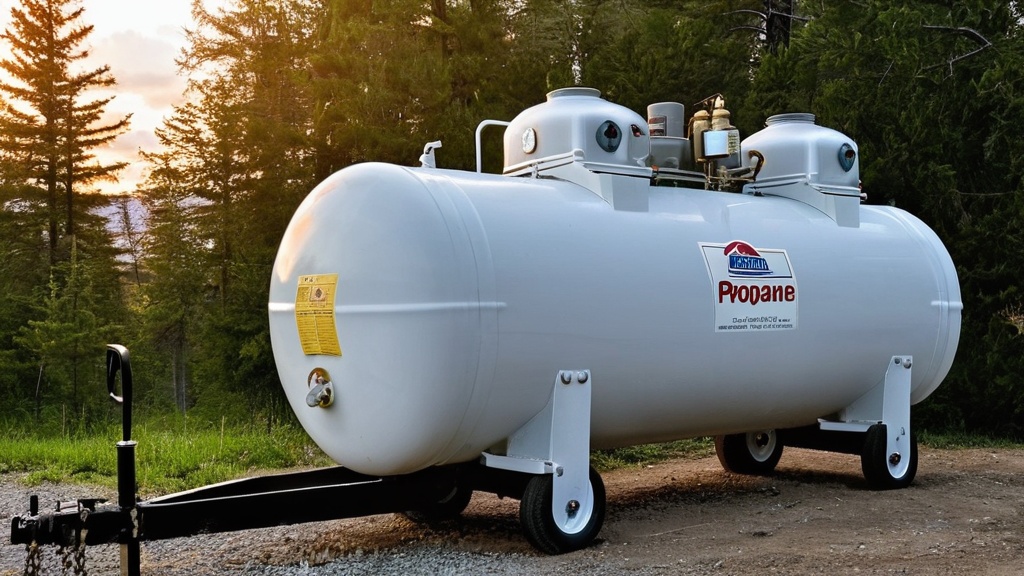
Propane, a combustible hydrocarbon gas, serves as a common fuel source for various applications, ranging from residential heating and cooking to recreational vehicle operation and outdoor grilling. Propane tanks, designed to store this fuel under pressure, require periodic refilling to maintain their utility. This article details the process of refilling propane tanks, emphasizing safety practices, regulatory compliance, and practical considerations for both portable and integrated systems.
Propane tanks are pressure vessels that contain liquified petroleum gas (LPG). The propane inside these tanks is stored as a liquid under pressure, and it vaporizes into a gas when released for use. The design and construction of propane tanks are subject to stringent safety standards to prevent leaks and explosions.
Tank Components and Their Functions
A typical portable propane tank, often referred to as a DOT cylinder, includes several key components:
- Cylinder Body: The main structure that holds the propane. These are usually constructed from steel or aluminum.
- Valve Assembly: This component controls the flow of propane into and out of the tank. It typically includes a main shut-off valve.
- Overfill Prevention Device (OPD) Valve: A critical safety feature mandated on most modern portable propane tanks. The OPD valve prevents the tank from being filled beyond 80% of its capacity, leaving a crucial 20% headspace for liquid propane expansion, particularly in warmer temperatures. This expansion space is vital; without it, increased pressure could rupture the tank. Think of it as a pressure relief valve for a growing demand – it creates room for expansion to prevent a catastrophic blowout.
- Pressure Relief Valve: An additional safety device that releases propane if the internal pressure exceeds a predetermined threshold, preventing catastrophic failure.
- Gauge (optional): Some tanks include a fuel gauge that indicates the approximate level of propane remaining. However, these are often less precise than weighing the tank.
OPD Valve Significance
The Overfill Prevention Device (OPD) valve is a non-negotiable safety feature. Its presence is identifiable by a triangular handwheel on the valve. Tanks manufactured without an OPD valve may be illegal to refill in many jurisdictions and should be replaced. The OPD acts as an internal float mechanism, automatically shutting off the filling process once the liquid propane reaches the 80% mark. This mechanism is a cornerstone of safe propane tank operation and refilling.
If you’re looking for information on how to refill your propane tank, you might also find it helpful to read about the best time to seed in New Jersey. Understanding seasonal gardening practices can enhance your outdoor experience, especially if you’re using propane for heating or cooking while tending to your garden. For more insights, check out this related article on the best time to seed in NJ: Best Time to Seed in NJ.
Preparing Your Propane Tank for Refilling
Before transporting your propane tank for refilling, it is imperative to conduct a thorough inspection and ensure it is in a safe condition. Neglecting these preparatory steps can lead to safety hazards during transport and refilling.
Visual Inspection for Damage and Certification
A visual inspection of your propane tank is the first step in preparation. Look for any signs of damage or wear that could compromise the tank’s integrity.
- Rust and Corrosion: Surface rust is common, but deep or widespread rust – particularly around welded seams or the base – can indicate structural weakening. Such tanks should not be refilled.
- Dents and Gouges: Any significant dents, bulges, or gouges could compromise the tank’s structural integrity. Even seemingly minor deformations can weaken the metal, making it unsafe under pressure.
- Cracks: Cracks are clear indicators of structural failure and necessitate immediate tank replacement.
- OPD Valve Condition: Ensure the OPD valve is present and appears undamaged. Its triangular handwheel is a key identifier.
- Certification Date: Propane tanks have a limited service life, after which they must be reinspected or recertified. The date of manufacture and subsequent re-qualification dates are typically stamped on the tank collar. A common certification period for DOT cylinders is 12 years from the date of manufacture, with subsequent requalification every 5 or 10 years, depending on the inspection method. Tanks past their certification date will not be refilled by reputable establishments.
Ensuring Tank Cleanliness and Functionality
Beyond structural integrity, the tank’s overall condition contributes to safe operation.
- Valve Seating: Ensure the main shut-off valve is fully closed and that there are no signs of leaks around the valve assembly. A light spray of soapy water can reveal small leaks by forming bubbles.
- Tank Cleanliness: While not directly safety-related, a clean tank is easier to inspect and handle. Remove any debris or obstructions from the valve area.
Transporting Your Propane Tank Safely
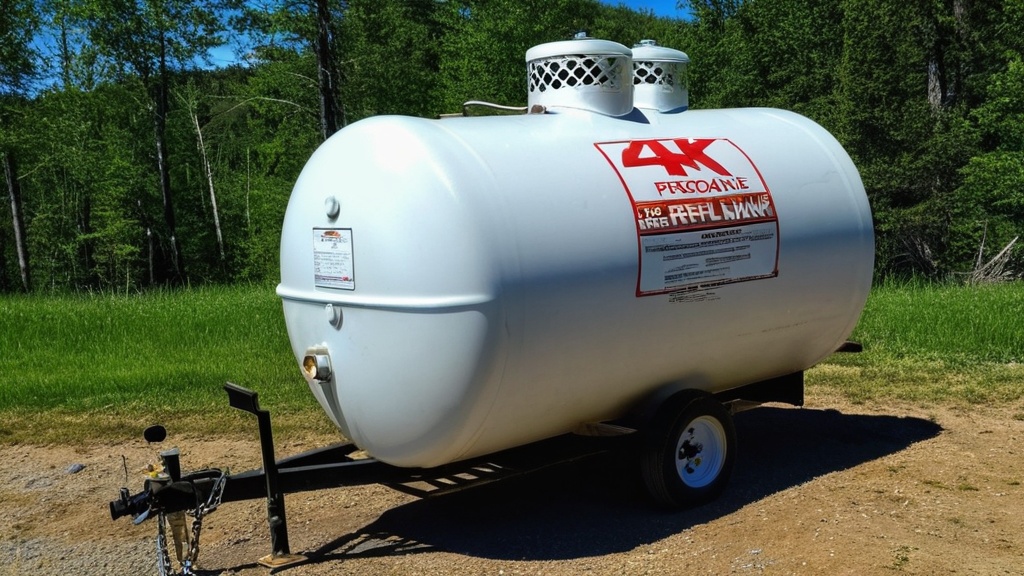
The transportation of propane tanks requires adherence to specific safety guidelines to minimize risks. Propane, being highly flammable and under pressure, demands careful handling.
Secure Placement in Vehicle
Properly securing the tank within your vehicle is paramount to preventing accidental dislodgement or damage during transit.
- Upright Position: Always transport propane tanks in an upright position. Lying them down increases the risk of the pressure relief valve failing to operate correctly if activated, as liquid propane rather than vapor could be discharged. Many tanks have a base ring that helps maintain this orientation.
- Ventilation: Ensure adequate ventilation in the vehicle. This means keeping windows slightly open, particularly when transporting the tank in an enclosed passenger compartment. Propane is heavier than air, so if a leak occurs, the gas can accumulate in low-lying areas. Proper ventilation helps dissipate any escaped gas.
- Against Movement: Position the tank so it is firmly braced against the vehicle’s structure or secured with straps or bungee cords to prevent it from tipping, sliding, or rolling. Use padding, such as blankets or old towels, to cushion the tank and prevent it from scratching your vehicle’s interior or being damaged by impacts.
- Avoid Passenger Compartment (if possible): Ideally, transport propane tanks in an open truck bed, trailer, or well-ventilated cargo area of an SUV, rather than directly inside the passenger compartment. If transportation in a passenger compartment is unavoidable, ensure maximum ventilation and limit the time it spends there.
- Disconnect Hoses: If the tank was connected to an appliance, ensure all hoses are disconnected and the tank valve is fully closed before transport.
Environmental Considerations During Transport
External environmental factors also play a role in safe transport.
- Avoid Extreme Temperatures: Do not leave propane tanks in direct sunlight or within a closed vehicle on a hot day for extended periods. Heat causes propane to expand, increasing internal pressure.
- Minimize Travel Time: Transport tanks directly to the refilling station and then back to their storage location. Avoid unnecessary stops or leaving the tank unattended in the vehicle for long durations.
The Professional Refilling Process
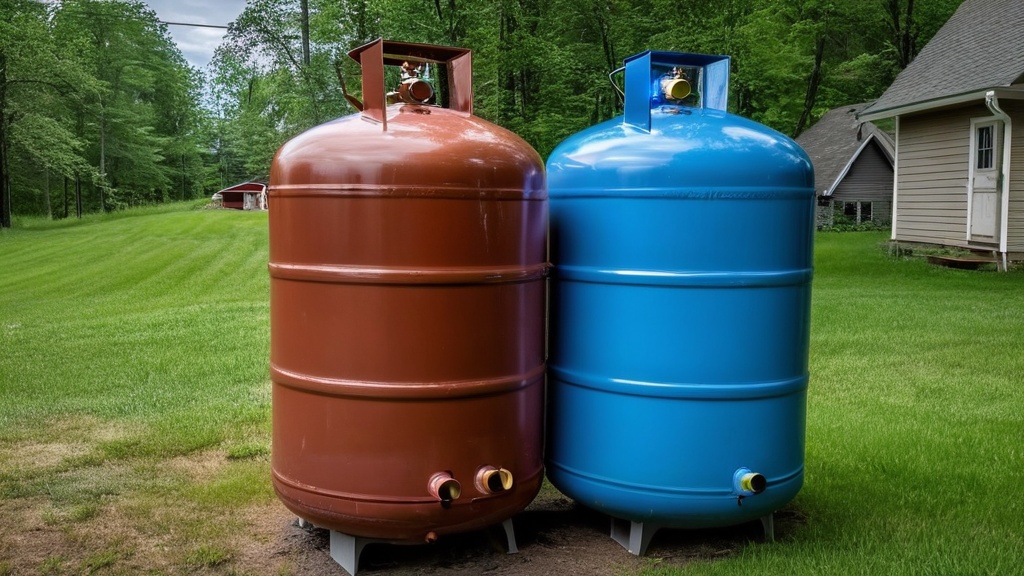
Professional refilling at a certified station is the recommended method for replenishing propane tanks. This approach ensures safety, accuracy, and adherence to regulatory standards that DIY methods cannot guarantee.
Locating a Certified Refilling Station
Certified refilling stations are typically found at hardware stores, gas stations, RV supply stores, and dedicated propane distributors. These establishments employ trained personnel and have the necessary equipment to safely handle propane.
- Verification: Confirm that the station offers actual refilling services rather than simply tank exchange. Refilling allows you to retain your own tank, which can be more cost-effective over time, especially if you have a newer tank.
Steps Involved in Professional Refilling
Upon arrival at a refilling station, the attendant will follow a standardized procedure.
- Initial Inspection and Safety Checks: The attendant will conduct their own visual inspection of your tank, checking for damage, rust, and the presence and condition of the OPD valve. They will also verify the tank’s certification date. If the tank is deemed unsafe or out of certification, it will not be refilled.
- Tare Weight Measurement: The attendant will weigh your empty tank to determine its “tare weight” (TW), which is typically stamped on the tank collar. This weight is crucial for calculating the precise amount of propane to be added.
- Connecting to the Filling Station: The tank is securely connected to the filling station’s hose and valve system.
- Bleeder Valve Operation: During the filling process, the attendant will briefly open a small bleeder valve on your tank. This valve releases a small amount of propane vapor. When liquid propane rather than vapor starts to emerge from the bleeder valve, it indicates that the tank has reached its 80% fill capacity. This method is a primary indicator of proper fill level, as it provides a direct physical signal when the liquid expansion limit is met.
- Weight Verification: While the bleeder valve is a key indicator, the attendant will also monitor the tank’s weight on a scale to confirm the correct fill level. They add propane incrementally until the total weight – tare weight plus the weight of the propane – reaches the appropriate value. This double-check, using both the bleeder valve and the scale, acts as a redundant safety measure.
- Leak Test: After filling, the attendant will typically perform a leak test around the valve assembly using a soapy water solution to ensure there are no leaks before returning the tank to you. This is an essential final check.
- Final Instructions: The attendant may provide instructions on safe transport and storage for your newly refilled tank.
Why Professional Refilling is Essential
The emphasis on professional refilling is not merely for convenience; it is a critical safety measure.
- Expert Knowledge: Certified technicians are trained in the safe handling of propane and understand the intricacies of tank systems.
- Specialized Equipment: Refilling stations possess calibrated scales, appropriate connectors, and safety equipment that are not available to the general public.
- OPD Compliance: Professionals ensure that the OPD valve functions correctly and prevent overfilling, which is the primary danger associated with propane tanks. An overfilled tank is a bomb waiting for enough heat to trigger its full potential, whereas a correctly filled tank allows breathing room.
- Regulatory Adherence: Refilling stations operate under strict local and federal regulations, ensuring legally compliant and safe practices.
If you’re looking for guidance on how to refill your propane tank, you might find it helpful to explore related resources that provide additional insights. For instance, you can check out this article on propane delivery services, which discusses convenient options for getting your propane tanks filled without the hassle of visiting a gas station. This can save you time and ensure you always have a full tank ready for your needs.
RV-Specific Propane Systems
Recreational vehicles (RVs) often feature built-in propane tanks, which differ from portable cylinders in their refilling procedure. These tanks are permanently mounted to the RV chassis.
Locating the RV Tank and Components
RV propane tanks are typically large, horizontally mounted cylinders, often enclosed in a storage compartment or chassis fairing.
- Filler Valve: The primary port for introducing propane into the tank.
- Level Gauge: RV tanks almost always include an externally readable fuel gauge, which provides a continuous indication of the propane level.
- Service Valve: The main shut-off valve for the propane supply to the RV’s appliances.
- Safety Relief Valve: A pressure relief device, similar to that on portable tanks, but usually slightly larger.
Refilling an RV Propane Tank
Refilling a built-in RV propane tank requires a specific approach from the attendant.
- Access and Location: Guide the attendant to the location of the RV’s propane tank and its filler valve. Ensure there is clear access to the valve.
- Engine Off and Ignition Sources Away: As with any propane operation, ensure the RV engine is off, and all potential ignition sources (e.g., pilot lights, open flames, smoking) are extinguished or kept away from the refilling area.
- Hose Connection: The attendant will connect the refilling hose to the RV tank’s filler valve.
- Monitoring the Gauge: Unlike portable tanks where weight and bleeder valves are paramount, the RV tank’s integrated level gauge is crucial. The attendant will monitor this gauge as propane is added, filling the tank to approximately 80% capacity. While the 80% fill rule still applies, the inherent design of an RV tank’s fill mechanism often relies more on the gauge and a fixed bleeder system for precise indications.
- Turning on the Tank: Once filled, the attendant will disconnect the hose, and you can then turn on the tank’s service valve to restore propane flow to your RV’s appliances.
Important Considerations for RV Tanks
- Regular Inspections: Even though built-in, RV propane tanks require periodic professional inspections for leaks, corrosion, and proper functioning of all valves and gauges.
- Turn Off During Travel: For safety, it is generally recommended to turn off the main propane service valve on the tank while the RV is in motion, especially for extended travel, to prevent uncontrolled leaks in the event of an accident.
If you’re looking for guidance on how to refill your propane tank, you might find it helpful to explore a related article that covers essential safety tips and best practices for handling propane. Understanding these precautions can ensure a smooth and safe refilling process. For more information, you can check out this useful resource on propane safety.
Safe Storage Practices for Propane Tanks
After your propane tank has been refilled, proper storage is as vital as safe transportation and refilling. Improper storage can lead to accelerated degradation of the tank or create hazardous conditions.
Outdoor and Ventilated Storage
The guiding principle for propane tank storage is “outdoors and ventilated.”
- Outdoor Location: Always store propane tanks outdoors. Propane is heavier than air, so if a leak occurs indoors, the gas can accumulate in low-lying areas, creating an explosion hazard. Outdoor storage allows any leaked gas to dissipate safely.
- Well-Ventilated Area: Choose a storage spot that is open to the air, not in an enclosed shed, garage, or basement.
- Away from Heat Sources: Store tanks away from direct sunlight, heat sources, and ignition sources (e.g., water heaters, furnaces, electrical equipment, barbecue grills, or open flames). Excessive heat can increase the internal pressure of the tank. A shaded, well-drained area is ideal.
- Upright Position: Maintain the tank in an upright position. This ensures the pressure relief valve functions as intended if activated.
- Firm, Level Surface: Store the tank on a firm, level surface to prevent it from tipping over.
- Away from Drains and Openings: Do not store propane tanks near drains, window wells, or other openings that could allow propane to accumulate in confined spaces if a leak occurs.
Disconnect and Secure
Before storing, always ensure the main service valve on the tank is fully closed. If the tank was connected to an appliance, disconnect it and securely cap or plug any open connections to prevent debris from entering or accidental activation.
Proximity to Buildings
While stored outdoors, tanks should be kept a safe distance from building openings (windows, doors, vents) to prevent gas from entering structures in case of a leak. Check local fire codes for specific distance requirements, which often vary but typically specify a minimum of 10 feet.
Conclusion
Refilling a propane tank is a straightforward process when approached with an emphasis on safety and adherence to established protocols. The overarching message is clear: professional refilling is not merely a convenience but a necessity for ensuring the safe and efficient operation of your propane system. By conducting pre-refill inspections, adhering to safe transport practices, utilizing certified refilling stations, understanding RV-specific considerations, and implementing proper storage, you act as a diligent guardian of a powerful, yet potentially volatile, fuel source. A propane tank, correctly handled, is a reliable energy provider; neglected, it becomes a liability. Your responsible actions are the best defense against potential hazards, ensuring that your propane equipment continues to serve its purpose safely for years to come.
FAQs
1. Where can I refill my propane tank?
You can refill your propane tank at various locations such as gas stations, hardware stores, and propane refilling stations.
2. How do I know when my propane tank needs to be refilled?
You can check the level of propane in your tank by using a gauge or by pouring hot water down the side of the tank and feeling for a cool spot, which indicates the level of propane inside.
3. What safety precautions should I take when refilling my propane tank?
When refilling your propane tank, it’s important to ensure that the tank is in good condition, the valve is closed, and to avoid overfilling. Additionally, always keep the tank in an upright position during transportation.
4. Can I refill my own propane tank at home?
It is not recommended to refill your own propane tank at home, as it requires specialized equipment and training to do so safely. It’s best to have a professional refill your tank at a designated location.
5. How much does it cost to refill a propane tank?
The cost of refilling a propane tank can vary depending on the size of the tank and the current market price of propane. It’s best to check with the specific location where you plan to refill your tank for accurate pricing.