


This article provides information for individuals seeking landscaping materials. It aims to guide you through the process of locating and selecting suitable resources for your outdoor projects, from minor enhancements to significant overhauls.
Before embarking on the search for landscaping materials, it is crucial to thoroughly assess the requirements of your project. This initial phase functions as a blueprint, guiding your subsequent decisions and preventing the acquisition of unsuitable or excessive materials.
Defining Project Scope
Consider the project’s scale. Are you undertaking a small garden refresh, a pathway installation, or a complete backyard redesign? The scope dictates the volume and variety of materials required. A modest flowerbed, for instance, may only need topsoil and mulch, while a patio construction demands pavers, aggregate, and perhaps edging materials.
Identifying Specific Material Types
Once the scope is established, itemize the specific materials needed. This list might include:
- Hardscaping Materials: Pavers, stepping stones, flagstone, gravel, decomposed granite, retaining wall blocks, boulders.
- Softscaping Materials: Topsoil, compost, planting mixes, mulch (wood, bark, rubber, stone), sand.
- Edging Materials: Metal, plastic, brick, stone.
- Miscellaneous: Geotextile fabric, drainage solutions, landscape fabric, erosion control products.
Estimating Material Quantities
Accurate quantity estimation is paramount to avoid both shortages and wasteful surpluses. For bulk materials like soil, mulch, or gravel, measurements are typically in cubic yards. For pavers or stones, area coverage (square feet) is a common metric. Many material suppliers and online calculators offer tools to assist with these estimations. Consider a slight overage (5-10%) to account for cuts, waste, or future minor repairs. This small buffer can be a time and money saver, preventing the need for an additional, potentially costly, small delivery.
If you’re looking for the best landscape materials to enhance your garden, you might find this article on the optimal time to seed in New Jersey particularly useful. It provides insights into the best practices for planting and maintaining your garden, ensuring that you choose the right materials for your landscape needs. For more information, check out the article here: Best Time to Seed in NJ.
Locating Local Suppliers
The proximity of a supplier significantly impacts the logistics and cost of a landscaping project. Local sourcing often reduces transportation expenses and allows for easier material inspection. Think of local suppliers as anchor points in your project, providing readily accessible resources.
Dedicated Landscape Supply Yards
These establishments specialize in bulk and bagged landscaping materials. They typically offer a wide array of products, from aggregates and soils to various types of mulch and natural stone. Many also stock hardscaping elements like pavers and retaining wall blocks.
- Advantages: Broad selection, bulk purchasing options, often knowledgeable staff, delivery services.
- Considerations: Minimum purchase requirements for delivery, potential for higher prices on smaller quantities.
Home Improvement Stores
Large chain hardware and home improvement stores often have a dedicated landscaping section. They primarily cater to smaller projects and DIY enthusiasts, offering bagged mulches, soils, stepping stones, and basic hardscaping elements.
- Advantages: Convenient locations, extended operating hours, smaller quantities readily available.
- Considerations: Limited selection for specialized materials, bulk options may be unavailable, staff expertise might vary.
Nurseries and Garden Centers
While their primary focus is on plants, many nurseries and garden centers also carry a selection of softscaping materials like bagged soils, compost, and various mulches. Some larger establishments may also offer decorative stones or limited hardscaping options.
- Advantages: High-quality soil amendments, often offer organic options, staff can provide plant-specific advice.
- Considerations: Material selection can be narrower than dedicated supply yards, bulk options might be limited.
Stone Quarries and Gravel Pits
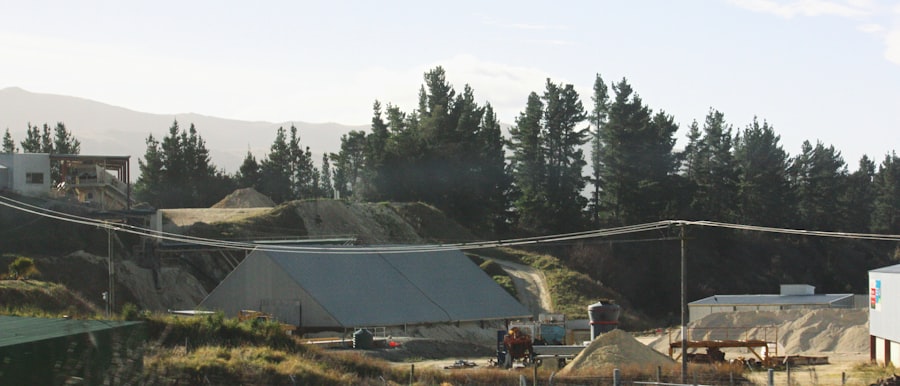
For projects requiring significant quantities of gravel, crushed stone, or large boulders, direct purchasing from a quarry or gravel pit can be a cost-effective solution. These sources offer raw materials at wholesale prices.
- Advantages: Lowest prices for bulk materials, direct source for specific stone types.
- Considerations: May require specialized pickup or delivery arrangements, material appearance can be less refined than processed products, typically located outside populated areas.
Online Retailers and Marketplaces
Certain landscaping materials, particularly decorative elements, specialized tools, or smaller quantities of unique items, can be sourced online. Some online retailers also facilitate bulk delivery through local partners.
- Advantages: Wide reach for specialized or unique items, competitive pricing on certain products, convenience of doorstep delivery.
- Considerations: Shipping costs can be substantial for heavy or bulky items, inability to physically inspect materials before purchase, potential for longer lead times.
Evaluating Supplier Options
Once you have identified potential suppliers, the next step involves evaluating them to ensure they meet your project’s specific requirements and financial constraints. This stage is like sifting through sand to find the perfect grains, ensuring durability and aesthetic fit.
Material Quality and Consistency
Inspect materials firsthand whenever possible. For bulk materials like soil, check for consistency, absence of large debris, and appropriate texture. For stone products, assess color, size variations, and structural integrity. Inconsistent material can disrupt the uniformity of your project and degrade its overall appearance.
Pricing and Cost Analysis
Obtain quotes from multiple suppliers. Compare not just the per-unit price but also delivery fees, minimum order quantities, and any potential taxes or surcharges. A seemingly lower unit price can become more expensive with high delivery costs. For bulk items, always compare prices per cubic yard or ton.
Delivery Services and Logistics
Inquire about delivery options. Does the supplier offer delivery to your project site? What are the lead times? Are there specific requirements for drop-off locations (e.g., clearance for trucks, paved surfaces)? Timely and efficient delivery is crucial to maintaining project schedules. A delayed material delivery can idle your entire operation, costing time and labor.
Customer Service and Expertise
Assess the supplier’s knowledge and willingness to assist. Can they answer questions about material properties, appropriate usage, or quantity estimation? Good customer service can save you from costly mistakes and provide valuable insights. A helpful supplier is like a compass, guiding you through the often-complex terrain of material selection.
Environmental Considerations
If sustainability is a priority, inquire about the origin of materials, whether they are locally sourced, recycled, or environmentally certified. Some suppliers offer organic topsoil, recycled aggregate, or sustainably harvested wood mulch.
Preparing for Material Acquisition
Proper preparation for material acquisition can streamline the process, reduce potential complications, and ensure a smooth flow of materials to your project site.
Site Accessibility
Before scheduling deliveries, confirm that your project site is accessible to delivery vehicles. Consider overhead obstructions, narrow driveways, soft ground, and any limitations concerning vehicle weight. Large dump trucks require significant space to maneuver and offload. Failing to prepare the site is like building a dam without first considering the river’s flow; it can lead to immediate complications.
Storage Considerations
Plan where materials will be stored upon delivery. Bulk materials like soil or mulch may require a designated area, perhaps protected by a tarp to prevent weed growth or moisture issues. Stackable materials like pavers need a flat, stable surface. Consider weather protection for sensitive materials.
Tools and Equipment for Handling
Ensure you have the necessary tools and equipment for moving and installing the materials. This might include wheelbarrows, shovels, rakes, protective gloves, and appropriate footwear. For heavier items, consider rental equipment like a hand truck or a small tractor with a bucket attachment, transforming a strenuous task into a manageable one.
Permits and Regulations
For larger projects, or those involving significant landscape changes, check with your local municipality for any necessary permits or regulations. This might pertain to grading, drainage, or the installation of certain permanent structures. Neglecting this step can lead to costly fines or project shutdowns.
If you’re looking to enhance your outdoor space with quality landscape materials, you might find it helpful to explore a related article that discusses various options available near you. This resource can provide insights into selecting the right materials for your garden or yard. For more information, check out this informative piece on landscape materials that can transform your outdoor environment.
Post-Acquisition Best Practices
| Material | Average Cost per Unit | Availability | Common Uses | Durability |
|---|---|---|---|---|
| Mulch | 25 per cubic yard | High | Moisture retention, weed control | 1-2 years |
| Gravel | 30 per ton | High | Pathways, drainage | 10+ years |
| Sand | 20 per ton | Medium | Leveling, drainage | Varies |
| Flagstone | 50 per square foot | Medium | Patios, walkways | 20+ years |
| Topsoil | 15 per cubic yard | High | Planting beds, lawn repair | Varies |
Once you have acquired your materials, responsible management ensures their longevity and project success. This final stage is about stewardship, ensuring your investment pays dividends.
Proper Storage and Preservation
Continue to store unused materials appropriately. Cover bulk materials to protect them from the elements and prevent contamination. Stack pavers or stones neatly to avoid damage and maintain order. Proper storage is like a protective shield, preserving the integrity of your materials until they are needed.
Waste Management and Disposal
Plan for the disposal of any excess or waste materials. Some suppliers may offer material take-back programs for unused items. Alternatively, local waste management facilities can guide you on proper disposal methods for different material types. Minimizing waste through accurate estimation is always the most economical and environmentally friendly approach.
Future Project Planning
Keep a record of the suppliers you used, the materials purchased, and their costs. This information can be invaluable for future landscape projects, providing a historical reference point and streamlining subsequent procurement processes. This record acts as a navigational chart, guiding your future endeavors with tested routes.
By systematically approaching the procurement of landscaping materials, you equip yourself with the resources necessary to bring your outdoor vision to fruition, efficiently and effectively. This structured method mitigates surprises and maximizes the likelihood of a successful project outcome.