


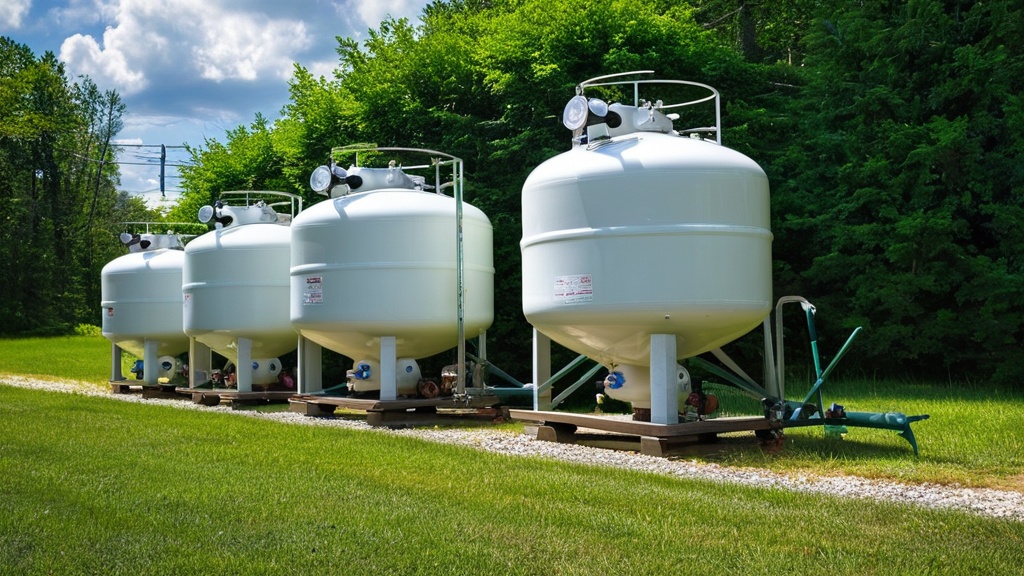
Whether refillable propane tanks offer a beneficial solution [[1]] is a question that hinges on individual usage patterns and priorities. The concept of a refillable tank, as opposed to single-use or exchange cylinders, presents a paradigm shift in how individuals procure and manage propane fuel. This article will explore the multifaceted aspects of refillable propane tanks, examining their cost-effectiveness, environmental implications, practical advantages, and safety considerations, to provide a comprehensive overview for potential users.
The economic argument for refillable propane tanks is often the primary driver for consumers considering this option. While the initial outlay for a refillable cylinder can be higher than that of a disposable one, the cumulative cost over its lifespan can lead to significant savings. This difference in financial return is not static; it is a dynamic equation influenced by frequency of use and prevailing propane prices.
Initial Investment Versus Cumulative Savings
Acquiring a refillable propane tank necessitates an upfront expenditure that is, generally speaking, more substantial than purchasing a single-use cylinder. This initial investment functions as a seed, planted with the expectation of future yield. The seed’s value is not immediately apparent but accrues over time through reduced per-unit fuel costs. Disposable cylinders, on the other hand, represent a series of small, recurring expenses. Think of it like buying a high-quality tool versus a collection of cheaper, less durable versions; the initial investment in the quality tool pays dividends through longevity and performance.
The Economics of Refilling: Price Per Gallon and Capacity
One of the most direct financial advantages of refillable tanks lies in the cost of the propane itself. Refilling a tank typically proves more economical on a per-gallon basis compared to purchasing pre-filled exchange cylinders. This cost differential can be attributed to several factors, including reduced overhead for the supplier and a more efficient filling process. Furthermore, refillable cylinders are often filled to a higher capacity, typically around 80-85%, whereas exchange cylinders may be filled to a lower percentage, such as 75% [[2]][[3]]. This means that for every fill-up, you receive a greater volume of propane, extending the usable fuel life of the tank for a given price.
The Lifespan of a Refillable Tank and Return on Investment
The economic viability of a refillable tank is intrinsically linked to its lifespan. Modern refillable propane cylinders are designed for durability and can be refilled hundreds of times over a period that can extend up to a decade [[1]]. This extended service life allows the initial investment to be amortized across numerous uses, gradually diminishing the per-use cost until it significantly undercuts the ongoing expense of disposable or exchange cylinders. The “return on investment” for a refillable tank is not a single event but a continuous process of savings that accumulates over years of use.
If you’re considering whether refillable propane tanks are worth the investment, you might also find it helpful to read about the best time to seed in New Jersey. Understanding the optimal planting times can enhance your gardening experience, especially if you’re using propane for outdoor heating or cooking. For more insights, check out this related article on the best time to seed in NJ: Best Time to Seed in NJ.
Environmental Impact: Reducing Waste and Resource Consumption
Beyond the purely financial considerations, refillable propane tanks offer a demonstrable benefit to the environment. The ubiquitous nature of single-use propane cylinders has contributed to a significant waste stream, and their production and distribution also carry an ecological footprint.
The Problem of Single-Use Cylinder Disposal
A considerable number of single-use propane cylinders, estimated at approximately 40 million annually in North America, do not enter a closed-loop recycling system and consequently end up in landfills [[1]]. These disposable tanks, often made of steel, contribute to landfill bulk and can represent a waste of valuable resources. The disposal of these cylinders creates an environmental burden that extends beyond the immediate use of the propane they contained.
Resource Efficiency: Less Manufacturing, Less Transportation
The adoption of refillable tanks inherently reduces the demand for the production of new single-use cylinders. This translates into less energy consumption and fewer raw materials required for manufacturing. Moreover, the logistics of distributing new disposable cylinders to retail points are often more extensive than those for refilling services, which can operate more localized systems. Consequently, the overall carbon footprint associated with fuel delivery and resource management is diminished.
Reducing the Footprint: A Greener Choice for Propane Users
By opting for a refillable system, consumers directly contribute to reducing the volume of waste generated and decrease the resource intensity of propane consumption. This choice aligns with broader sustainability goals and offers a tangible way for individuals to participate in environmental stewardship through their purchasing decisions. It is a conscious decision to move away from a linear “take-make-dispose” model towards a more circular and sustainable approach.
Fuel Efficiency and Convenience: Maximizing Your Propane Use
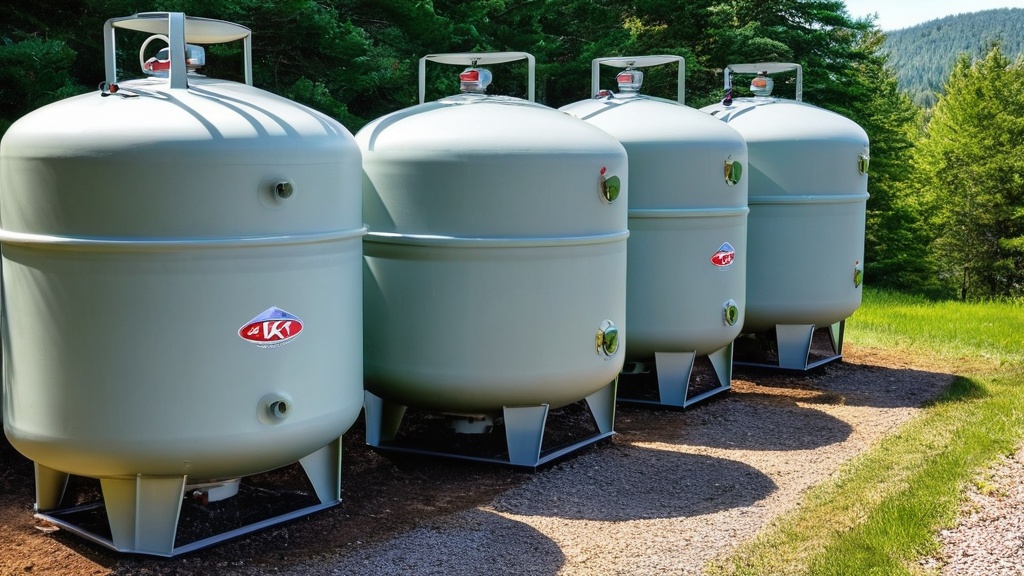
The practical advantages of refillable propane tanks extend to how efficiently you utilize your fuel and the ease with which you can access it. These aspects often intertwine, contributing to an overall better user experience.
Retaining Remaining Fuel: No More Wasted Pennies
A notable point of practical efficiency with refillable tanks is the ability to retain any propane left in the cylinder between uses. When you exchange an almost-full cylinder for a new one, the remaining fuel is essentially discarded [[3]]. This translates to a direct financial loss, as you are paying for a full cylinder but only receiving a portion of its usable fuel. Refillable tanks, by contrast, allow you to top off your existing supply, ensuring that you utilize every last drop of the propane you have purchased. This prevents the accumulation of small, but significant, fuel “losses” over time.
Convenience of Refill Stations and Retailers
While the initial acquisition of a refillable tank might require a visit to a specialized retailer, the ongoing convenience of refilling services is often comparable to, if not better than, the exchange system. Many barbecue supply stores, hardware stores, and dedicated propane dealers offer convenient refill stations. This can eliminate the need for frequent trips to purchase new disposable cylinders, streamlining the process of maintaining a propane supply, particularly for households that use propane regularly for grilling, heating, or other applications.
Eliminating the “Empty” Problem: Predictable Fuel Supply
For many users, the moment of realizing their propane tank is empty can be inconvenient, often occurring at crucial times. Refillable tanks, with their ease of topping off and more visible fuel levels (in some designs), can help mitigate this issue. Regular refilling can become a routine, ensuring a more predictable and readily available fuel supply for all your propane-dependent activities.
Safety Standards and Construction: A Robust System
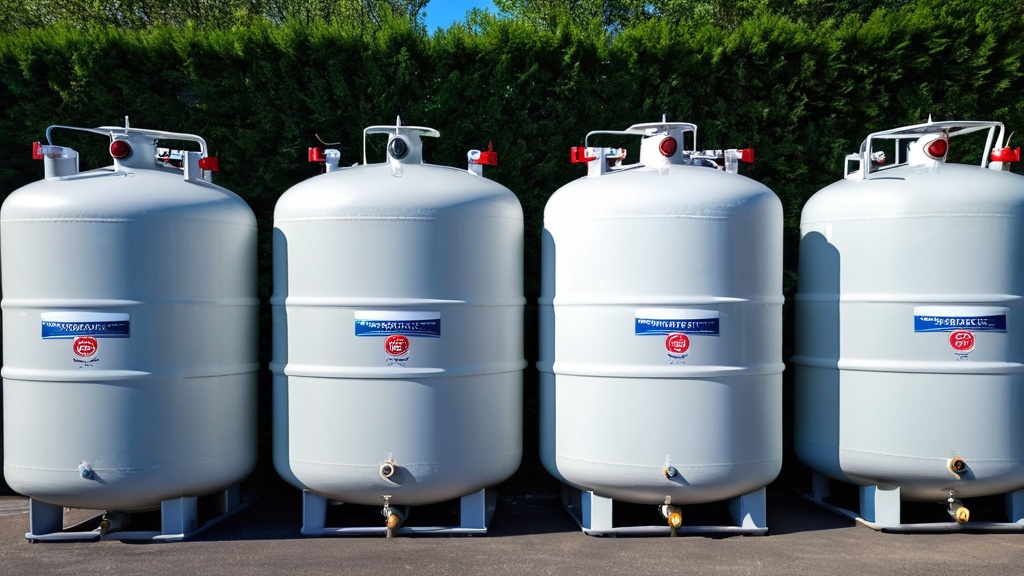
Safety is a paramount concern when dealing with pressurized flammable gases like propane. Refillable tanks are designed and manufactured to meet stringent safety regulations, ensuring a reliable and secure containment system.
DOT Certification and Material Integrity
Refillable propane cylinders are subject to rigorous standards, including Department of Transportation (DOT) certification [[4]]. This certification signifies that the tanks have met specific design, construction, and testing requirements to ensure their safety under various operating conditions. They are typically constructed from high-grade steel, providing a robust and durable enclosure for the propane.
Advanced Testing Protocols: X-ray and Hydrostatic Testing
To guarantee their integrity, refillable cylinders undergo comprehensive testing procedures. This often includes X-ray testing to detect any internal flaws or weaknesses in the metal and hydrostatic testing, where the tank is subjected to internal pressure far exceeding its normal operating capacity to confirm its structural soundness [[4]]. These tests are crucial for preventing potential failures.
Contrast with Disposable Cylinder Risks
In contrast, disposable propane cylinders, particularly those that have been tampered with or improperly refilled, can pose significant safety risks [[1]][[5]]. Issues such as improper sealing mechanisms, which can lead to dangerous ruptures and leaks, are more common with non-certified or damaged disposable cylinders [[1]][[5]]. These failures can result in catastrophic events like explosions and fires. The refillable system, with its built-in safety features and adherence to strict testing protocols, offers a higher degree of inherent safety.
If you’re considering whether refillable propane tanks are worth the investment, you might also find it helpful to explore related topics such as lawn care and maintenance. For instance, understanding the benefits of overseeding can enhance your outdoor space, making it more enjoyable for gatherings around your propane grill. You can read more about this in our article on overseeding, which provides valuable insights into improving your lawn’s health and appearance.
Comparing Refillable to Exchange and Disposable Systems
To fully appreciate the value proposition of refillable propane tanks, it is beneficial to directly compare them to the other common procurement methods: the exchange system and the purchase of disposable cylinders. Each system presents a distinct set of trade-offs that cater to different user needs and priorities.
The Exchange System: Convenience with Hidden Costs
The ubiquitous propane tank exchange system offers a seemingly convenient solution: when your tank is empty, you simply swap it for a full one at a retail location. This model prioritizes immediate convenience by eliminating the need to find a refilling station. However, as previously discussed, this convenience comes at a cost. Users often pay a premium for the convenience, and the issue of potentially relinquishing remaining fuel in a partially filled tank represents an inefficient use of resources. The exchange model operates on a “swap out, not top up” principle, which can lead to a higher per-gallon cost over time.
Disposable Cylinders: Initial Low Cost, High Long-Term Expense and Waste
Disposable propane cylinders, often found at convenience stores and outdoor retailers, present the lowest initial purchase price. This makes them attractive for infrequent users or for situations where an immediate, low-cost solution is required. However, the cost-effectiveness of disposable cylinders diminishes rapidly with increased usage. Each purchase represents a complete expense for a finite amount of fuel, and the cumulative cost of repeatedly buying these cylinders can far exceed the initial investment in a refillable tank. Furthermore, their single-use nature contributes directly to the waste stream discussed earlier.
Refillable Tanks: The Long-Term Strategy
Refillable propane tanks represent a strategic investment for regular propane users. While the upfront cost is higher, the combination of lower per-gallon refill prices, greater fuel capacity per fill, and extended tank lifespan makes them the most financially advantageous option in the long run. Beyond cost, their environmental benefits and inherent safety advantages further bolster their appeal as a more responsible and sustainable choice for managing propane needs. The decision to invest in a refillable tank is essentially a commitment to a more efficient, economical, and environmentally conscious approach to propane utilization.
FAQs
What are refillable propane tanks?
Refillable propane tanks are containers designed to be used multiple times by refilling them with propane gas once they are empty, as opposed to single-use tanks that are disposed of after one use.
How do refillable propane tanks compare in cost to disposable tanks?
Refillable propane tanks typically have a higher upfront cost but can be more economical over time since they can be refilled multiple times, reducing the need to purchase new tanks frequently.
Are refillable propane tanks safe to use?
Yes, refillable propane tanks are safe when properly maintained and refilled by certified professionals. They must meet safety standards and be inspected regularly to ensure they remain in good condition.
Where can I refill a propane tank?
Propane tanks can be refilled at various locations including gas stations, hardware stores, propane suppliers, and some outdoor or camping stores that offer propane services.
What sizes do refillable propane tanks come in?
Refillable propane tanks come in various sizes, commonly ranging from small portable tanks (around 5 pounds) to larger tanks (20 pounds or more) suitable for grills, heaters, and other appliances.