


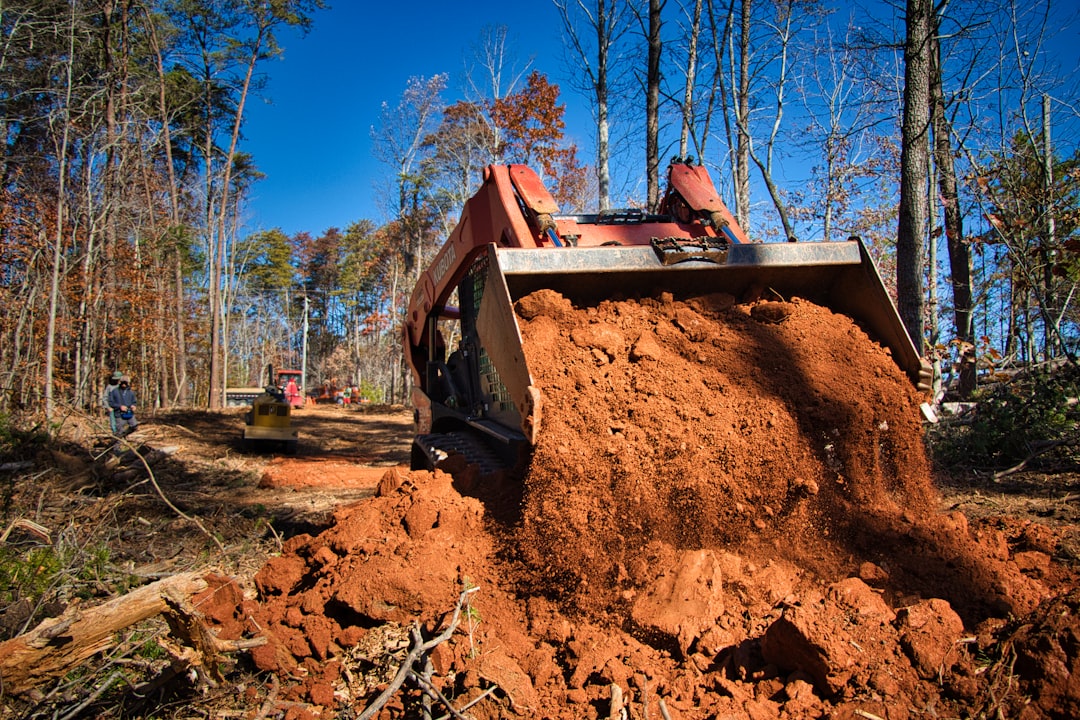
Landscaping is the art and science of modifying the visible features of an area of land, including biotic elements such as flora or fauna; natural elements such as landforms, water bodies, or weather; and abstract elements such as lighting and weather conditions. This article outlines essential landscaping supplies, providing a practical guide for individuals aiming to create functional and aesthetically pleasing outdoor spaces. Careful selection and application of these materials are foundational to successful landscape design and maintenance.
Effective landscaping begins with the right tools. These instruments act as extensions of the landscaper, enabling precision and efficiency in various tasks. Without a robust toolkit, even the most ambitious landscaping projects can stagnate.
Hand Tools: Precision and Control
Hand tools are fundamental for detailed work and tasks requiring direct manipulation. Their simplicity belies their critical role in shaping and maintaining a garden.
- Trowel: A small, scooped hand tool used for digging small holes, transplanting seedlings, and breaking up clumps of soil. Trowels come in various sizes, with pointed or rounded blades, each suited for specific soil conditions and plant types. Stainless steel variants offer increased durability and resistance to rust.
- Hand Fork: Often paired with a trowel, a hand fork is used for loosening soil, aerating compacted areas, and removing weeds with deep roots. Its prongs penetrate the soil more effectively than a trowel for certain tasks.
- Pruning Shears/Secateurs: Essential for cutting small branches, deadheading flowers, and shaping shrubs. Bypass pruners offer a clean cut, ideal for live stems, while anvil pruners are better suited for dead or woody material. High-quality steel blades maintain sharpness longer.
- Loppers: Larger than pruning shears, loppers are designed for cutting thicker branches that exceed the capacity of hand pruners. Their long handles provide leverage, reducing strain.
- Hedge Shears: Used for trimming hedges and shaping topiary. They feature long blades and handles, allowing for broad sweeps and even cuts across a surface.
- Weeding Fork/Dandelion Weeder: Specifically designed to target weeds with taproots, such as dandelions. Its narrow, V-shaped or forked tip allows for deep soil penetration to extract the entire root system, preventing regrowth.
- Edger: A specialized tool for creating clean, defined boundaries between garden beds and lawns. Manual edgers typically have a half-moon shaped blade, while powered versions offer greater speed and ease of use.
- Gloves: Protective gloves are indispensable. They shield hands from thorns, blisters, dirt, and chemicals. Materials vary, with leather offering durability for heavy work and synthetic fabrics providing dexterity and water resistance.
Power Tools: Efficiency and Scale
Power tools expedite larger tasks and projects where manual labor would be prohibitive or excessively time-consuming. They are the workhorses of expansive outdoor spaces.
- Lawn Mower: A primary tool for lawn maintenance. Options range from manual reel mowers for smaller, eco-conscious lawns to gasoline-powered rotary mowers and electric or battery-operated models. Robotic mowers offer autonomous operation. Engine size, cutting width, and bagging capacity are key considerations.
- String Trimmer/Weed Whacker: Used for cutting grass and weeds in areas inaccessible to a lawn mower, such as around trees, fences, and garden edges. Both electric and gasoline models are available, with varying power outputs and line thicknesses.
- Hedge Trimmer: A motorized tool for precise and rapid trimming of hedges. Blade length and type, as well as power source (electric, battery, gasoline), influence its suitability for different tasks. Double-sided blades offer versatile cutting.
- Leaf Blower/Vacuum: Facilitates the clearing of leaves and debris from lawns, patios, and driveways. Some models offer a vacuum function to collect debris. Both electric and gasoline versions exist, with backpack models suitable for extended use.
- Chainsaw: For felling trees, cutting larger branches, or processing firewood. Chainsaws demand significant safety precautions and specialized training. Power source (electric or gasoline), bar length, and chain type are important factors.
- Rototiller/Cultivator: Used to break up and aerate soil, incorporate amendments, and prepare garden beds for planting. Cultivators are smaller for weeding and light tilling, while rototillers are larger for breaking virgin ground.
If you’re looking to enhance your outdoor space, you might find our article on essential landscaping supplies particularly useful. It covers everything from soil types to decorative stones, ensuring you have the right materials for your project. For more information, check out the article here: Essential Landscaping Supplies.
Soil Amendments and Mulches: Nourishment and Protection
The health of any plant life is inextricably linked to the quality of the soil. Soil amendments enhance its structure, fertility, and water retention, while mulches protect and regulate the soil environment.
Soil Enhancers: Building a Fertile Foundation
Soil is the literal bedrock of a garden. Its composition directly impacts plant growth, requiring deliberate enhancement to create an optimal environment.
- Compost: Decomposed organic matter, a primary soil amendment. Compost improves soil structure, water retention, drainage, and provides a slow-release source of nutrients. Home composting systems can generate a continuous supply.
- Topsoil: A premium layer of soil, usually rich in organic matter. Used to build up existing beds, fill in depressions, or create new planting areas. Quality varies, so sourcing from reputable suppliers is crucial.
- Peat Moss: A traditional soil amendment, particularly for acid-loving plants, due to its low pH. It enhances water retention and aeration. Concerns regarding environmental sustainability have led to increased use of alternatives like coir.
- Sand: Used to improve drainage in heavy clay soils. However, indiscriminate use can create concrete-like conditions if not correctly mixed with organic matter.
- Perlite/Vermiculite: Lightweight, porous volcanic minerals. Perlite improves drainage and aeration, while vermiculite also retains moisture and nutrients. Both are common in potting mixes.
- Fertilizers: Provide essential nutrients for plant growth. Can be organic (manure, bone meal) or synthetic (chemical compounds). NPK ratios (Nitrogen, Phosphorus, Potassium) indicate nutrient concentrations, tailored to plant needs.
- Lime: Used to raise the pH of acidic soils, making nutrients more available to plants. Calcitic lime contains calcium carbonate, while dolomitic lime also provides magnesium.
- Soil Test Kits: Allow for accurate assessment of soil pH and nutrient levels, guiding the application of appropriate amendments.
Mulches: The Earth’s Protective Blanket
Mulch acts as a protective layer over the soil, moderating temperature, conserving moisture, and suppressing weeds. It is a vital component of sustainable landscaping.
- Organic Mulches:
- Wood Chips/Bark: Common, long-lasting, and aesthetically pleasing. They decompose slowly, adding organic matter to the soil over time. Available in various colors and types (e.g., cedar, pine).
- Straw/Hay: Inexpensive and effective for vegetable gardens, providing good weed suppression and moisture retention. Decomposes relatively quickly.
- Pine Needles: Acidifying, making them suitable for acid-loving plants like rhododendrons and azaleas. They interlock, resisting wind displacement.
- Compost (as mulch): Provides both protection and a continuous release of nutrients to the soil below.
- Leaves: Readily available in autumn, shredded leaves make excellent free mulch, decomposing to enrich the soil.
- Inorganic Mulches:
- Gravel/Crushed Stone: Durable, fire-resistant, and provides excellent drainage. Used in rock gardens, pathways, and around plants that prefer dry conditions. Does not add nutrients to the soil.
- Landscape Fabric/Weed Barrier: A synthetic material placed over the soil to suppress weeds while allowing water and air to pass through. Often covered with an aesthetic top layer of organic or inorganic mulch.
Irrigation Systems: The Lifeline of an Outdoor Oasis
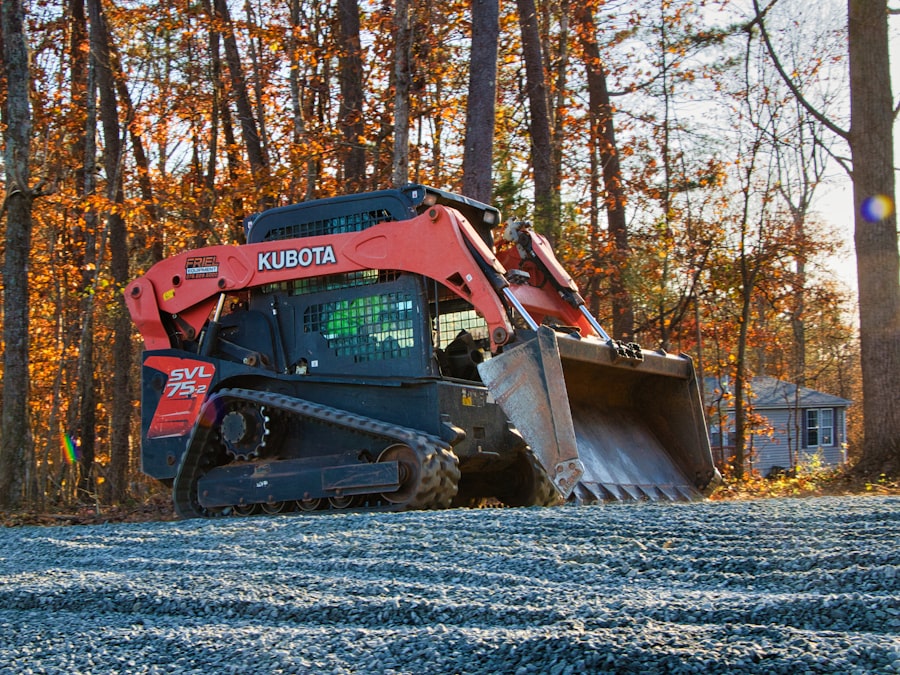
Consistent and efficient watering is paramount for plant survival and thriving. Irrigation systems automate this process, delivering water precisely where and when it’s needed, reducing waste and labor.
Manual Watering Equipment: Hands-On Hydration
For smaller areas or specific plant needs, manual watering provides flexible, targeted hydration.
- Hose: A flexible conduit for water, essential for all manual watering tasks. Various lengths and materials are available, with kink-resistant options being preferable.
- Nozzle/Sprayer: Attaches to a hose, allowing for control over water flow, spray pattern, and intensity. Different settings accommodate delicate seedlings to established shrubs.
- Watering Can: Ideal for precise watering of potted plants, hanging baskets, and newly transplanted seedlings, where a gentle flow is required. Available in various sizes and materials.
- Soaker Hose: A porous hose that seeps water slowly directly into the soil, minimizing evaporation and delivering water efficiently to plant roots. Best for rows of plants or perennial borders.
Automated Irrigation Systems: Set It and Forget It
Automated systems offer convenience and water conservation, especially for larger landscapes. They are investments that repay through healthier plants and reduced manual effort.
- Drip Irrigation System: Delivers water directly to the root zone of plants through emitters, minimizing waste from evaporation and runoff. Highly efficient for garden beds, containers, and rows of plants. Components include tubing, emitters, pressure regulators, and filters.
- Sprinkler System: Broadcasts water over larger areas, often used for lawns. Can be pop-up or stationary, with various spray patterns and coverage areas. Requires careful design to ensure even coverage and avoid wasteful watering of non-plant areas.
- Timers/Controllers: The brain of an automated irrigation system. Allows for scheduling watering times and durations, adapting to weather conditions and plant needs. Smart controllers can integrate with weather forecasts to optimize water usage.
- Rain Sensor: An add-on to irrigation systems that detects rainfall and temporarily shuts off the system, preventing overwatering and conserving water.
Hardscaping Materials: Defining Structure and Flow
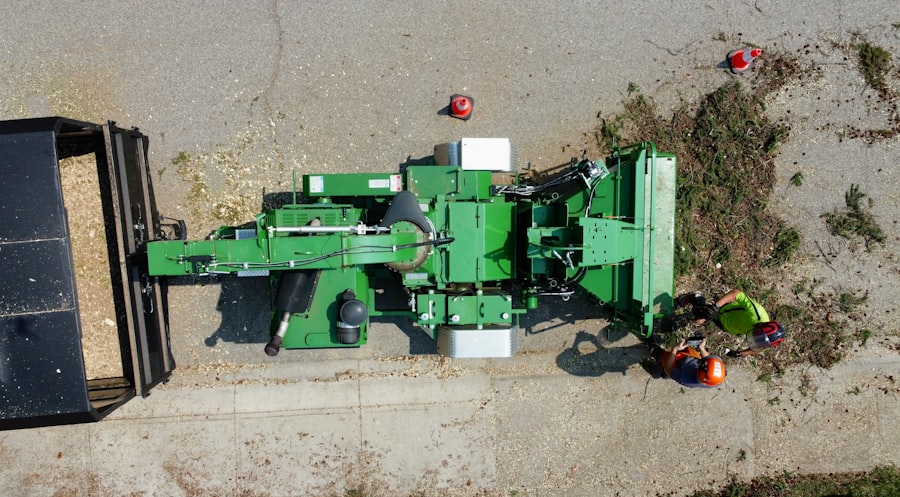
Hardscaping elements provide the enduring framework of a landscape. They include non-living features that create paths, patios, walls, and other structural components, dictating usability and aesthetics.
Paving Materials: Paths and Patios
Paved surfaces define areas, create circulation routes, and offer spaces for relaxation and entertainment. Their selection impacts both the visual appeal and long-term durability of the landscape.
- Pavers (Concrete, Brick, Stone): Versatile and durable materials for patios, walkways, and driveways. Concrete pavers offer a wide range of colors and shapes. Brick pavers provide a classic aesthetic. Natural stone pavers (e.g., flagstone, slate, granite) offer unique textures and variations.
- Gravel/Crushed Stone: An economical solution for pathways, driveways, and permeable surfaces. It provides good drainage and a natural appearance. Requires containment with edgings.
- Decomposed Granite (DG): A fine, natural aggregate that compacts well to form a stable, permeable surface, often chosen for natural-looking pathways and patios.
- Poured Concrete: A durable and low-maintenance option for large patios and driveways. Can be stamped or stained to mimic other materials or achieve specific designs.
- Wood Decking: Provides an elevated, warm surface for outdoor living. Options include pressure-treated lumber, cedar, redwood, or composite materials known for their longevity and low maintenance.
Walls and Edging: Containment and Definition
Walls and edgings serve both functional and aesthetic purposes, defining boundaries, retaining soil, and adding vertical interest.
- Retaining Walls (Block, Stone, Timber): Used to hold back soil on sloped terrain, prevent erosion, and create terraced garden beds. Materials range from engineered concrete blocks to natural stone or treated timbers. Construction demands attention to drainage and structural integrity.
- Garden Edging: Creates a clean division between garden beds and lawns or pathways. Materials include plastic, metal, wood, or stone, preventing grass encroachment and containing mulch.
- Borders (Stone, Brick): Used as decorative elements to define the perimeter of garden beds or pathways, adding a finished look.
- Gabions: Wire cages filled with rocks, forming sturdy and permeable walls or decorative features. Offer a rustic, industrial aesthetic.
Additional Hardscape Elements: Features and Furnishings
Beyond the basics, various hardscaping elements contribute to the functionality and ambiance of an outdoor space.
- Benches/Seating: Provides areas for rest and contemplation, enhancing the usability of the landscape. Materials can complement other hardscaping.
- Pergolas/Arbors: Structural elements that add vertical interest, provide shade, and support climbing plants. Can define an outdoor room or entrance.
- Fire Pits/Outdoor Fireplaces: Create focal points and extend the usability of outdoor spaces into cooler evenings. Materials should be heat-resistant and durable.
- Water Features (Ponds, Fountains, Bird Baths): Introduce sound and movement, attracting wildlife and creating a tranquil atmosphere. Requires plumbing, pumps, and filtration.
- Outdoor Lighting: Essential for safety, security, and establishing ambiance in the evening. Options include path lights, spotlights, and accent lighting.
When planning your outdoor space, it’s essential to consider the variety of landscaping supplies available to enhance your garden’s beauty and functionality. For those looking for inspiration and practical advice, a related article on landscaping materials can provide valuable insights. You can explore this resource further by visiting this link, where you’ll find a comprehensive guide to selecting the right supplies for your project.
Plant Material: The Living Canvas
| Supply Type | Average Cost per Unit | Units Sold (Monthly) | Popular Usage | Stock Availability |
|---|---|---|---|---|
| Topsoil (cubic yard) | 25 | 150 | Garden beds, lawn leveling | High |
| Mulch (bag) | 7 | 300 | Moisture retention, weed control | Medium |
| Gravel (ton) | 40 | 80 | Pathways, drainage | High |
| Landscape Fabric (roll) | 30 | 60 | Weed barrier | Low |
| Edging (linear foot) | 3 | 200 | Garden borders | High |
| Fertilizer (bag) | 15 | 250 | Plant growth enhancement | Medium |
Plants, the living organisms within a landscape, are the ultimate expression of design and aesthetic intent. Their selection is critical for creating visual appeal, ecological function, and seasonal interest.
Trees: Anchors and Canopy
Trees are the longest-lived and often largest elements in a landscape, providing shade, structure, and habitat. They are the backbone of many designs.
- Shade Trees: Large deciduous trees (e.g., oak, maple, sycamore) that provide extensive canopy during warm months, reducing cooling costs, and allowing sun penetration in winter.
- Ornamental Trees: Smaller trees valued for their flowers, fruit, bark, or distinctive shape (e.g., dogwood, cherry, Japanese maple). They provide seasonal focal points.
- Evergreen Trees: Maintain foliage year-round, offering privacy, windbreaks, and winter interest (e.g., pine, spruce, fir, cedar).
Shrubs: Mid-Layer and Structure
Shrubs fill the space between trees and ground covers, providing structure, screening, and floral displays or foliage interest.
- Flowering Shrubs: Chosen for their seasonal blooms (e.g., roses, hydrangeas, azaleas, spiraea). They provide bursts of color and attract pollinators.
- Evergreen Shrubs: Provide year-round structure, privacy, and texture (e.g., boxwood, junipers, rhododendrons). Important for winter interest.
- Deciduous Shrubs: Lose their leaves in winter, often providing interesting branch structure or fall color before dormancy (e.g., viburnum, forsythia).
Perennials and Annuals: Color and Texture
These plants offer seasonal color, texture, and fill in the lower layers of planting beds.
- Perennials: Plants that live for more than two years, typically dying back to the ground in winter and re-emerging in spring (e.g., hostas, coneflowers, daylilies). They provide recurring beauty with less replanting.
- Annuals: Plants that complete their life cycle within a single growing season. They are used for continuous, vibrant color throughout the warmer months (e.g., petunias, impatiens, marigolds).
- Grasses (Ornamental): Provide texture, movement, and often year-round interest. Come in various sizes, colors, and forms, adding a naturalistic feel (e.g., switchgrass, fountain grass).
Groundcovers and Vines: Spreading and Climbing
These plant categories are utilized for covering large areas, preventing erosion, and adding vertical greening.
- Groundcovers: Low-growing plants that spread horizontally, suppressing weeds and covering bare ground (e.g., creeping phlox, sedum, vinca). They reduce maintenance in difficult-to-mow areas.
- Vines: Climbing plants used to cover walls, pergolas, fences, or trellises (e.g., clematis, wisteria, ivy). They offer vertical greening and floral displays.
Considerations for Plant Selection: The Right Plant in the Right Place
Successful planting hinges on matching plant needs to environmental conditions.
- Zone Compatibility: Plants must be suited to the local climate zone (USDA Hardiness Zone) to ensure winter survival.
- Sunlight Requirements: Full sun, partial shade, or full shade dictates where a plant will thrive.
- Soil Type and pH: Plants have specific preferences for soil texture (sandy, clay, loam) and acidity/alkalinity.
- Water Needs: Grouping plants with similar water requirements (xeric, moderate, high) simplifies irrigation.
- Mature Size: Account for the plant’s mature height and spread to avoid overcrowding and future pruning issues.
- Pest and Disease Resistance: Selecting resistant varieties reduces the need for chemical interventions.
- Native vs. Non-Native: Native plants are adapted to local conditions and support local ecosystems, often requiring less intervention.
- Deer and Pest Resistance: In areas with wildlife pressure, choosing less palatable plants can prevent damage.
By understanding and carefully selecting these essential landscaping supplies, individuals can lay the groundwork for an enduring, functional, and visually appealing outdoor space. The landscape, much like a well-tended machine, requires the right tools, proper fuel, structural integrity, and thoughtful placement of its living components to operate and flourish.